CMCodex
Back to the Codex
Frigg
Norse

Frigg

The Queen of Asgard

Domain
Motherhood & Prophecy
Alignment
Lawful Good
Element
Air
Relics of Power
Distaff of the Clouds
Speak with Frigg

The People

People
Norse & Germanic peoples
Region
Scandinavia & northern Europe
Period
Viking Age, 8th–11th c.

The gods of Asgard were worshipped by the Norse peoples of Scandinavia and by the Germanic tribes, especially during the Viking Age. Warriors sought to die in battle to reach Odin's Valhalla, and the myths were preserved in the Icelandic Eddas. The cult declined with the region's Christianization around the year 1000.

The Norse celebrated blóts, seasonal sacrifices with feasts of meat and mead, such as the Yule of the winter solstice. The great temple at Uppsala, in Sweden, hosted every nine years one of the largest sacrificial festivals of the Viking world.
The Sacred Scrolls

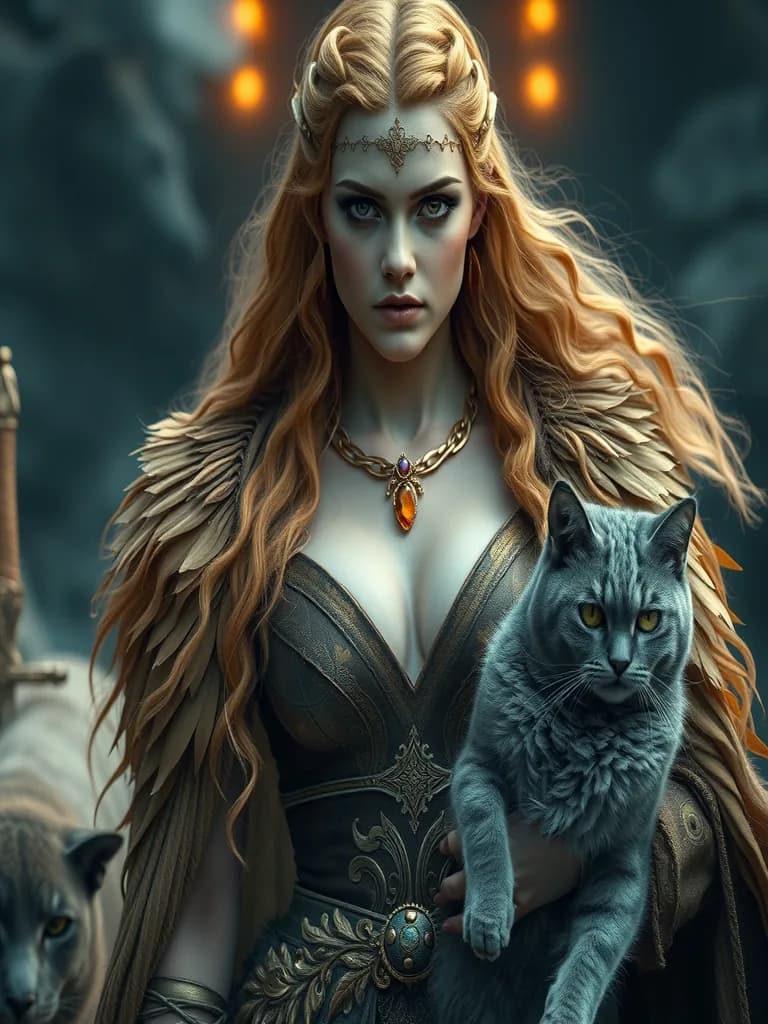
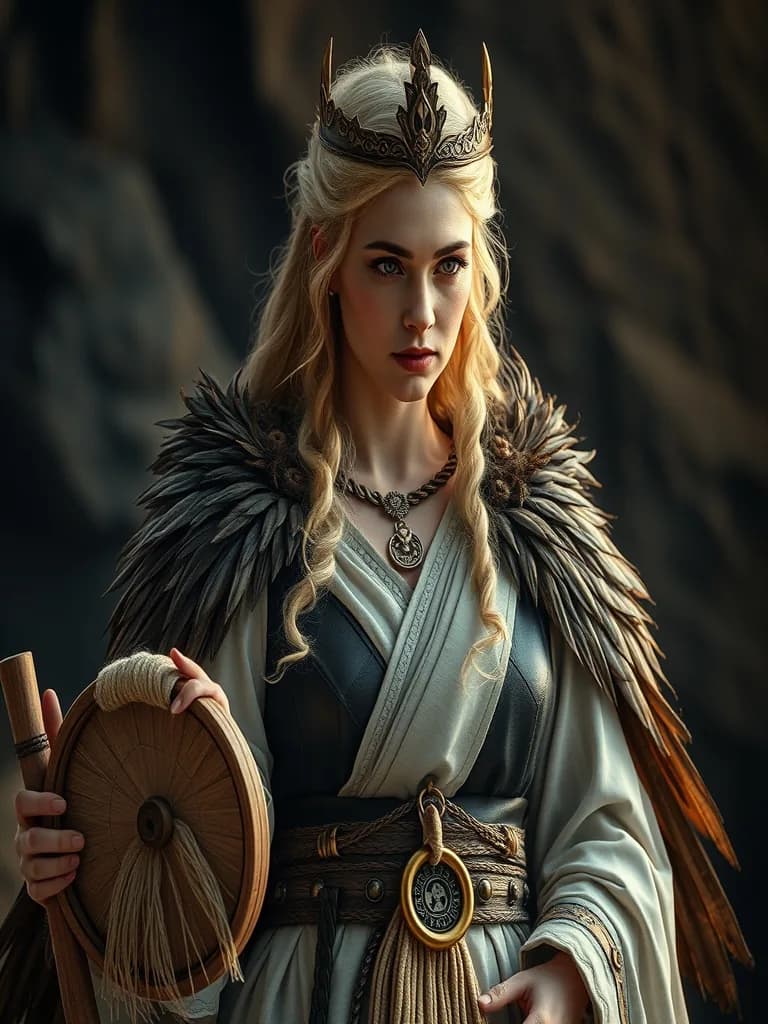
Wife of Odin and sovereign of Asgard, Frigg is the goddess of marriage, motherhood, and the home. She knows the fate of all beings, yet keeps silent about what she foresees. Her quiet wisdom rivals that of the Allfather himself. As The Queen of Asgard, this deity occupies a position of supreme prestige in the nórdicos pantheon. Their domains over Motherhood & Prophecy reflect ancestral cosmic order maintained across millennia. In classical iconography, they are depicted with an aura of unshakeable majesty and sacred attributes that inspired reverence in emperors and peasants alike. Their influence extended beyond earthly boundaries, governing fates and harmony between the visible and invisible worlds. For ancient devotees, contemplating their essence was to understand the very fundamental forces of nature and human existence.

Sacred Symbols

Spinning distaff, household keys, the falcon and the constellation of Orion's belt

Divine Lineage

Wife of Odin; mother of Baldur; queen of the Ásynjur.

The Legendary Myth

Tormented by omens of her son Baldur's death, Frigg traveled the world extracting from every living thing an oath never to harm him.

Legends & Deeds

A celebrated secondary legend preserved in the oral traditions of the nórdicos recounts the journey when Frigg intervened directly in the lives of mortals.

Cult & Worship

Historically, the cult of Frigg occupied a central place in the religious and architectural calendar of antiquity.

Relics of Power

A spinning distaff that weaves the clouds of the sky and the invisible threads of mortal fate.

Did You Know?

The English word 'Friday' derives from her name, as the day was known among Germanic peoples as 'Frigg's day'. In modern astronomy and science, Frigg's name and symbols inspired the naming of celestial bodies and geologi…

The rest of this scroll is sealed

The myth, the legends, the cult, the relic and the curiosity are part of the full Codex. Without a subscription you open 3 scrolls a day.

See Codex PRO

From the same pantheon

View pantheon