CMCodex
Back to the Codex
Fuxi
Chinese

Fuxi

The First Ancestor and Sage

Domain
Civilization & Wisdom
Alignment
Lawful Good
Element
Air
Relics of Power
Sacred Trigrams
Speak with Fuxi

The People

People
Chinese
Region
China
Period
c. 1600 BC – present

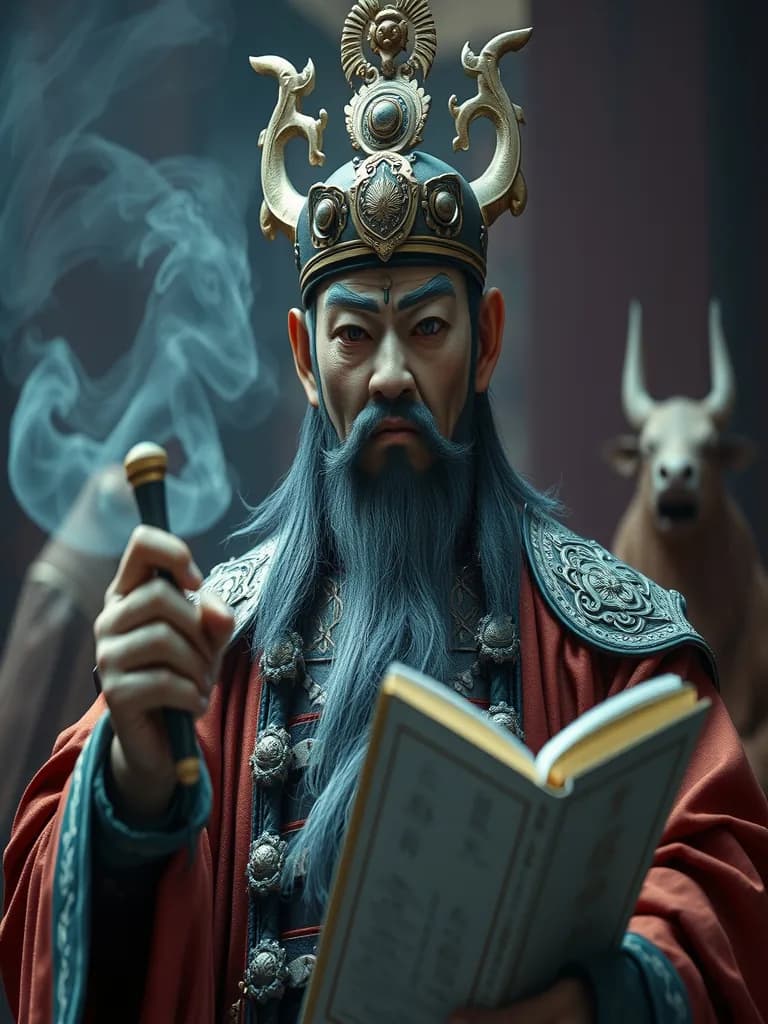
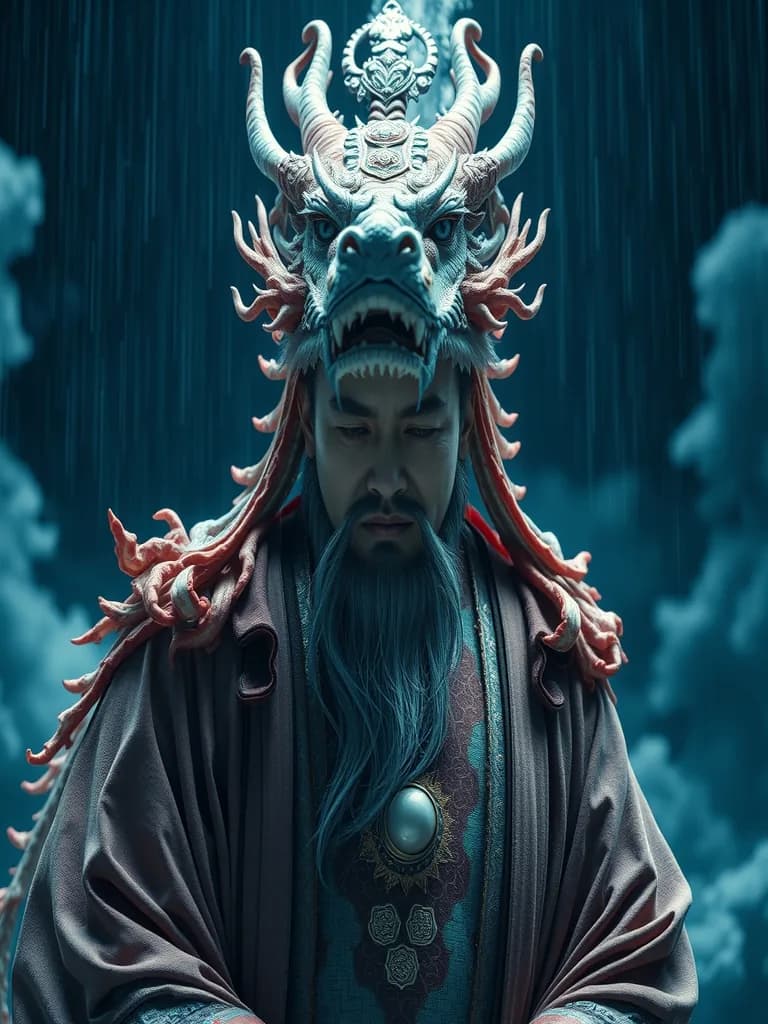
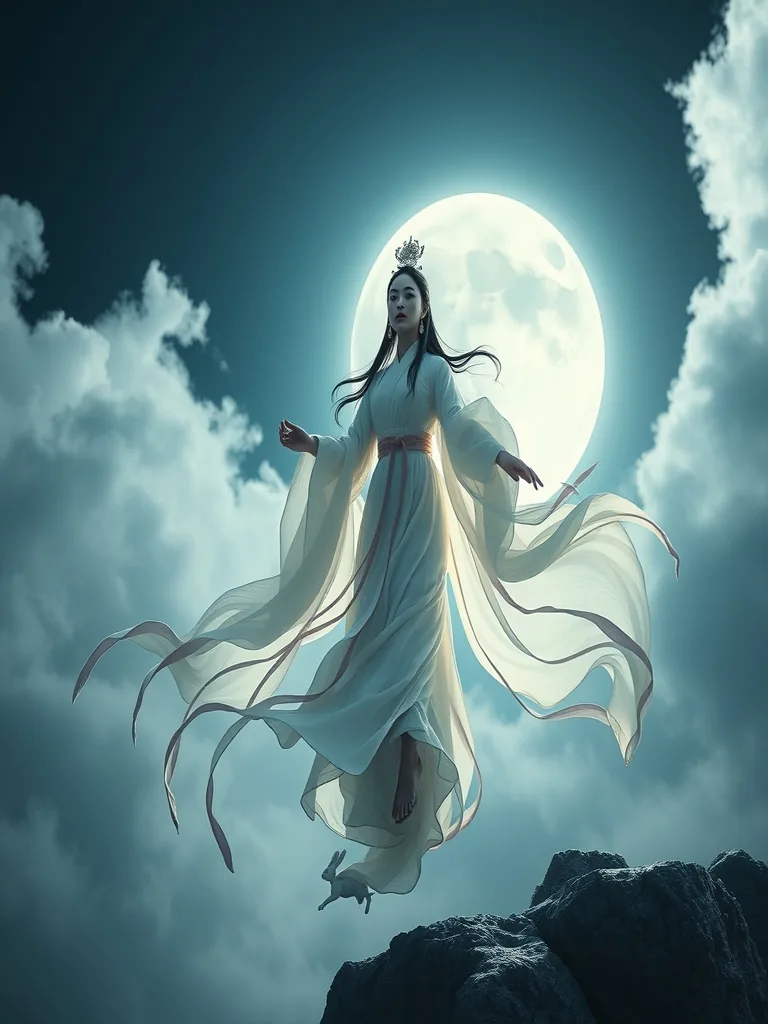
The Chinese deities bring together traditions of Taoism, Buddhism, and folk religion, worshipped for millennia across China. Presided over by the Jade Emperor, they form a vast celestial bureaucracy mirroring the earthly empire. They are honored in temples, at Chinese New Year, and at the altars of homes and ancestors.

Chinese New Year greets the gods with fireworks, dancing lions, and offerings to the Kitchen God, who ascends to heaven to report on the family's conduct. The Dragon Boat Festival honors the poet Qu Yuan, and at Qingming families sweep the tombs and venerate the ancestors.
The Sacred Scrolls

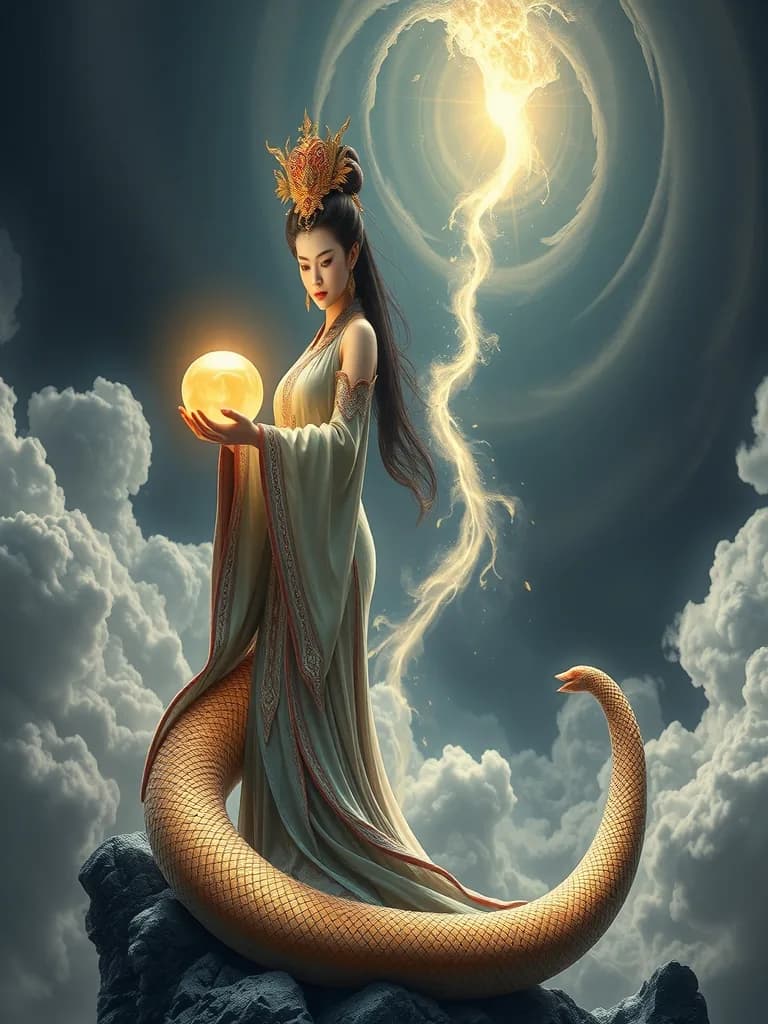
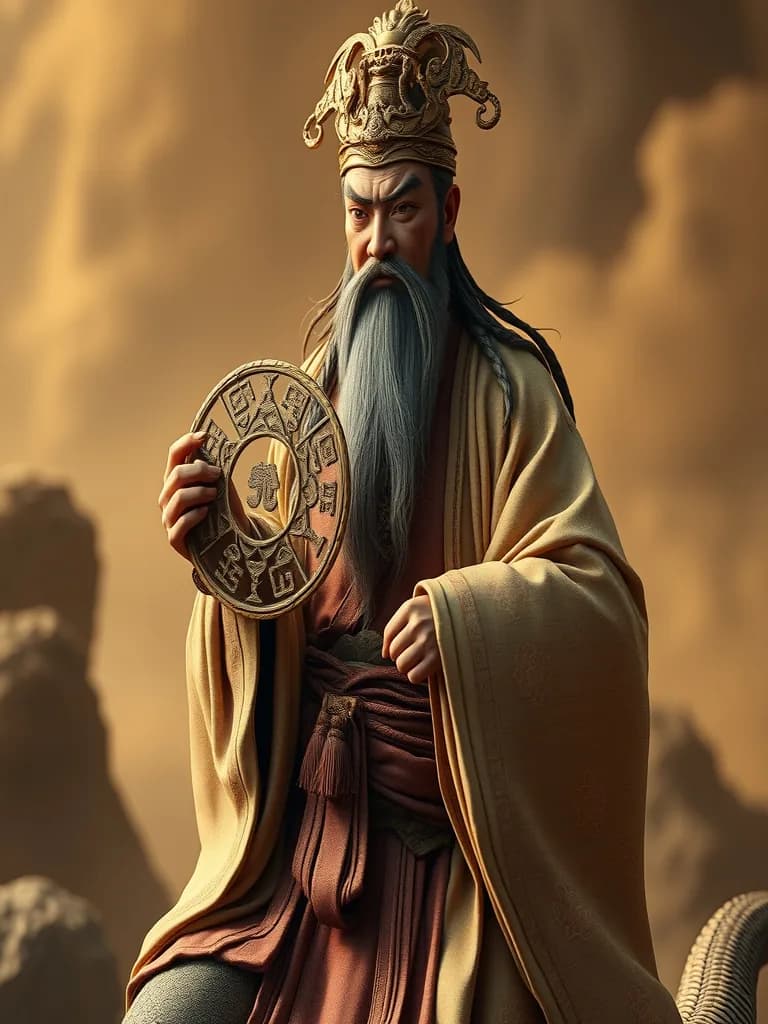
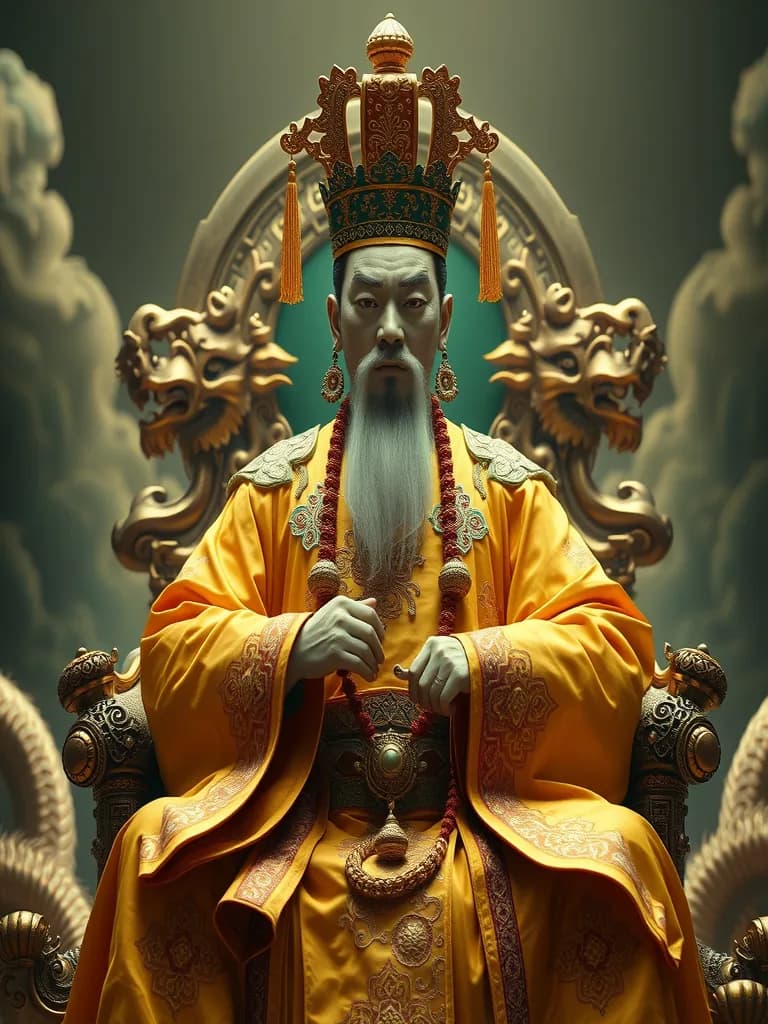
First mythic ancestor and cultural hero of China, Fuxi taught humanity the arts of civilization. To him are attributed the invention of writing, fishing with nets, hunting, and marriage. Like Nüwa, he has a human body and a serpent's tail, symbolizing the union between the divine and the earthly. As The First Ancestor and Sage, this deity occupies a position of supreme prestige in the chineses pantheon. Their domains over Civilization & Wisdom reflect ancestral cosmic order maintained across millennia. In classical iconography, they are depicted with an aura of unshakeable majesty and sacred attributes that inspired reverence in emperors and peasants alike. Their influence extended beyond earthly boundaries, governing fates and harmony between the visible and invisible worlds. For ancient devotees, contemplating their essence was to understand the very fundamental forces of nature and human existence.

Sacred Symbols

The eight Bagua trigrams, the serpent tail, the carpenter's square and the fishing net

Divine Lineage

Brother and husband of Nüwa; held to be the first of the Three Sovereigns of ancient China.

The Legendary Myth

Observing the patterns of heaven and earth, Fuxi conceived the eight trigrams, which became the foundation of the Book of Changes (I Ching).

Legends & Deeds

A celebrated secondary legend preserved in the oral traditions of the chineses recounts the journey when Fuxi intervened directly in the lives of mortals.

Cult & Worship

Historically, the cult of Fuxi occupied a central place in the religious and architectural calendar of antiquity.

Relics of Power

The eight trigrams (Bagua) that reveal the principles of heaven, earth, and all change.

Did You Know?

The I Ching, founded on Fuxi's trigrams, is one of the oldest and most influential texts in China, used for divination and philosophy for millennia.

The rest of this scroll is sealed

The myth, the legends, the cult, the relic and the curiosity are part of the full Codex. Without a subscription you open 3 scrolls a day.

See Codex PRO

From the same pantheon

View pantheon