CMCodex
Back to the Codex
Hephaestus
Greek

Hephaestus

The Divine Smith

Domain
Fire & Metallurgy
Alignment
Neutral Good
Element
Fire
Relics of Power
Hammer of the Eternal Forge
Speak with Hephaestus

The People

People
Ancient Greeks
Region
Greece & the Mediterranean
Period
8th c. BC – 4th c. AD

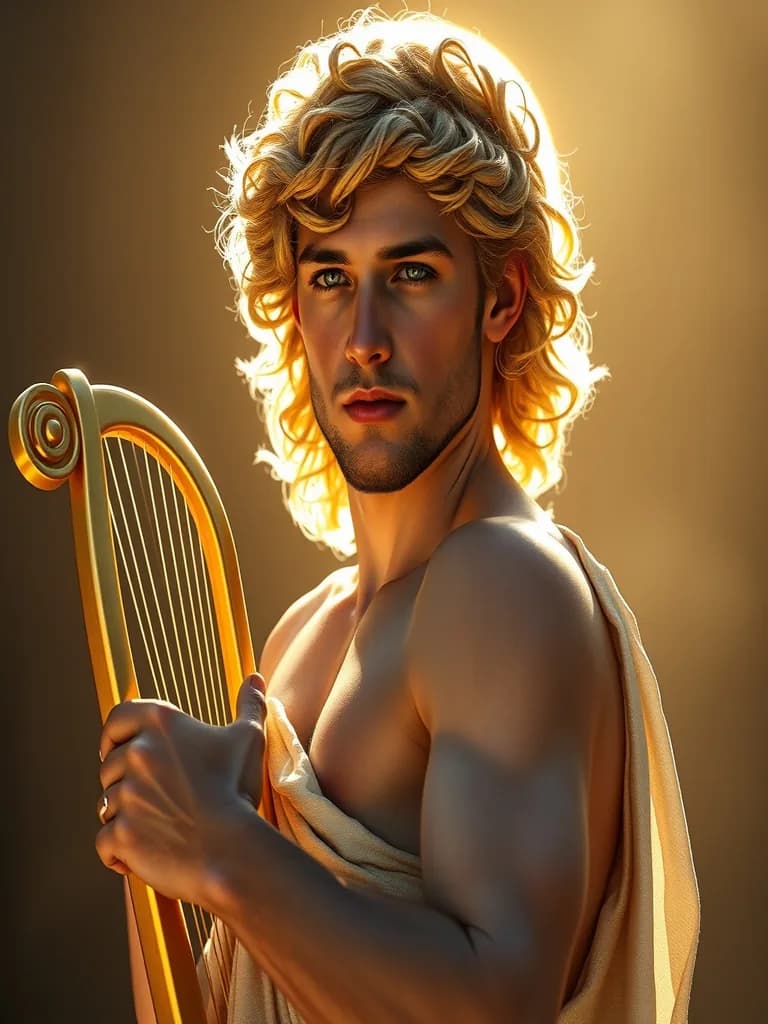
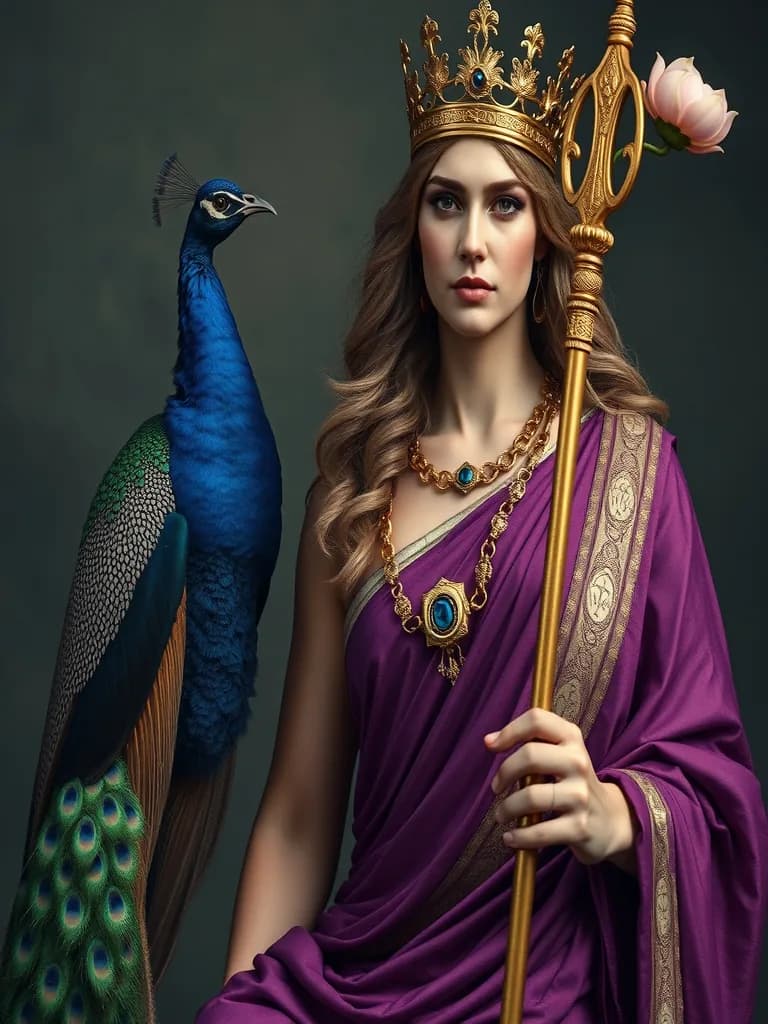
The Olympian gods were worshipped by the city-states of ancient Greece, from Athens to Sparta, which raised them temples such as the Parthenon. Reigning atop Mount Olympus, they presided over every aspect of life and were celebrated in festivals like the Olympic Games. Homer and Hesiod fixed their myths, which shaped all of Western culture.

The Olympic Games were held every four years in honor of Zeus, and the Panathenaea celebrated Athena in Athens. The Eleusinian Mysteries initiated the faithful into the secrets of Demeter and Persephone, while crowds consulted Apollo's oracle at Delphi.
The Sacred Scrolls

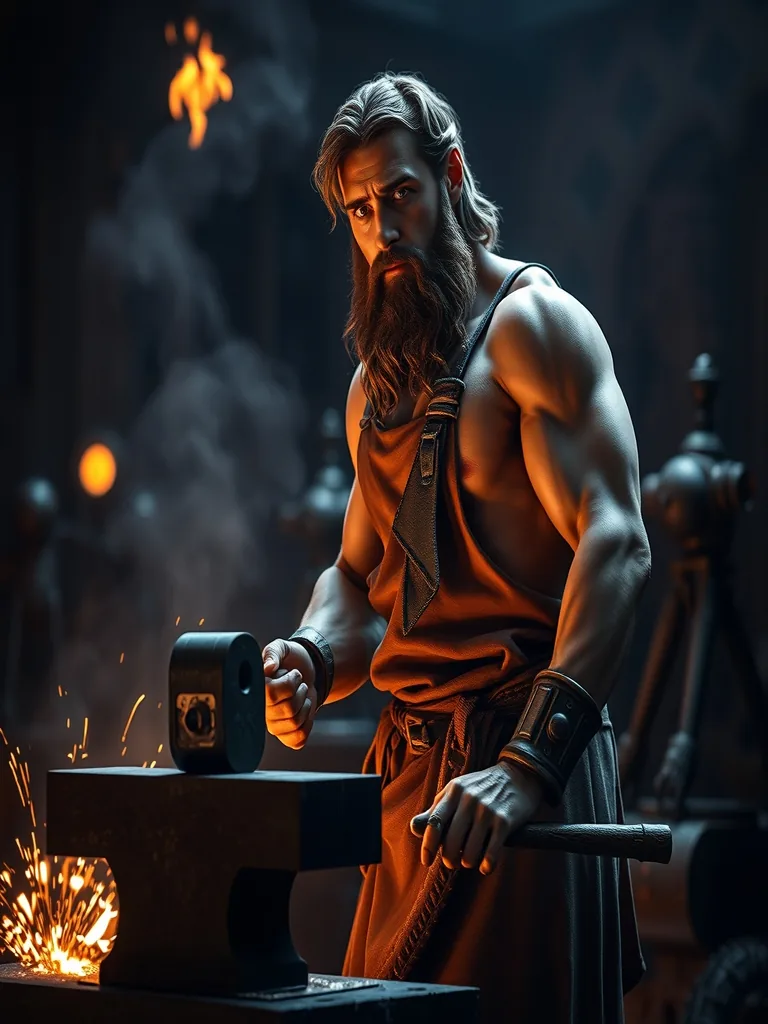
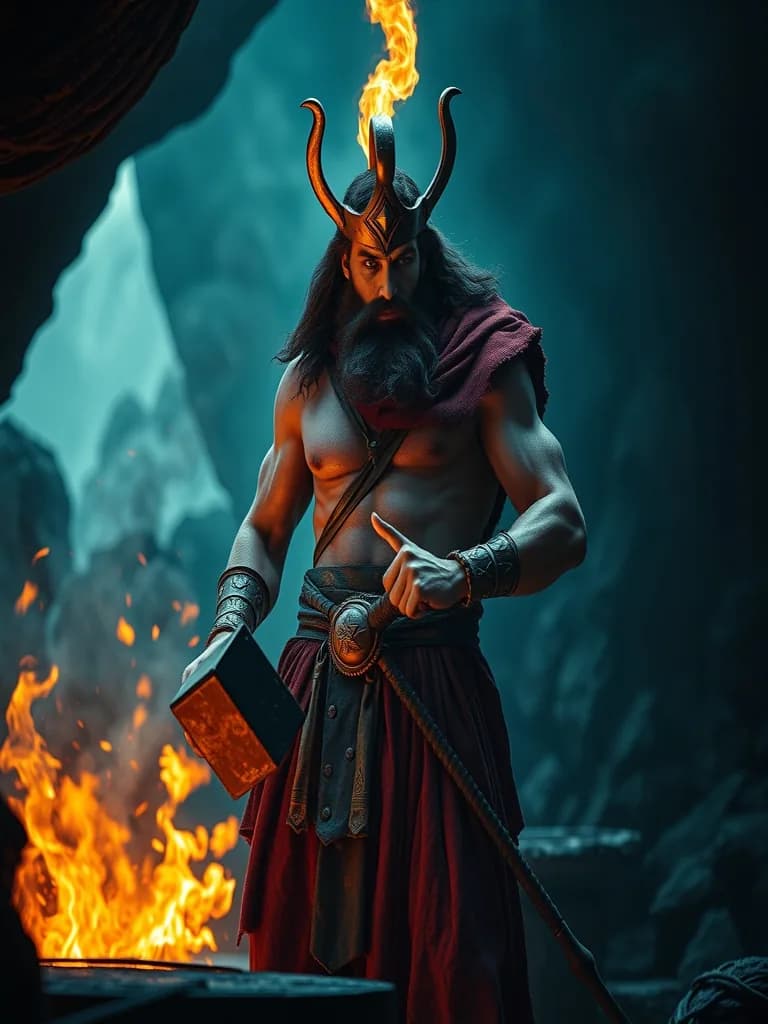
God of fire, volcanoes, and the craft of artisans, Hephaestus is the only Olympian imperfect in body yet unmatched in ingenuity. In his forge beneath Etna, he crafts the weapons and thrones of the gods. He is the patron of mortal smiths, sculptors, and inventors. As The Divine Smith, this deity occupies a position of supreme prestige in the olimpianos pantheon. Their domains over Fire & Metallurgy reflect ancestral cosmic order maintained across millennia. In classical iconography, they are depicted with an aura of unshakeable majesty and sacred attributes that inspired reverence in emperors and peasants alike. Their influence extended beyond earthly boundaries, governing fates and harmony between the visible and invisible worlds. For ancient devotees, contemplating their essence was to understand the very fundamental forces of nature and human existence.

Sacred Symbols

Hammer, anvil, tongs, axe and the volcano

Divine Lineage

Son of Hera (in some versions also of Zeus); husband of Aphrodite.

The Legendary Myth

Rejected by Hera at birth because of his deformity, he was hurled from Olympus and fell for an entire day. In revenge, he forged an enchanted golden throne that imprisoned his mother the moment she sat upon it.

Legends & Deeds

A celebrated secondary legend preserved in the oral traditions of the olimpianos recounts the journey when Hephaestus intervened directly in the lives of mortals.

Cult & Worship

Historically, the cult of Hephaestus occupied a central place in the religious and architectural calendar of antiquity.

Relics of Power

A celestial bronze hammer capable of shaping divine metals and breathing life into golden automatons.

Did You Know?

He forged golden automatons that spoke and moved to assist him at the forge — one of the oldest images of robots in world literature.

The rest of this scroll is sealed

The myth, the legends, the cult, the relic and the curiosity are part of the full Codex. Without a subscription you open 3 scrolls a day.

See Codex PRO

Divine Equivalents

From the same pantheon

View pantheon