CMCodex
Back to the Codex
Indra
Hindu

Indra

The King of Heaven and Storms

Domain
Thunder, Rain & War
Alignment
Chaotic Neutral
Element
Thunder
Relics of Power
Vajra Thunderbolt
Speak with Indra

The People

People
Hindu peoples
Region
Indian subcontinent
Period
c. 1500 BC – present

The Hindu deities have been worshipped for over three thousand years across the Indian subcontinent, from the Vedic hymns to the living Hinduism of today. Billions of devotees dedicate to them temples, festivals such as Diwali and Holi, and daily rituals in the home. It is one of the largest religious traditions still practiced in the world.

Diwali lights up India with oil lamps in honor of Lakshmi, and Holi celebrates spring with clouds of colored powder. At the Kumbh Mela, the largest pilgrimage on Earth, tens of millions bathe in the sacred rivers, and daily puja brings flowers, incense, and food to the altars.
The Sacred Scrolls

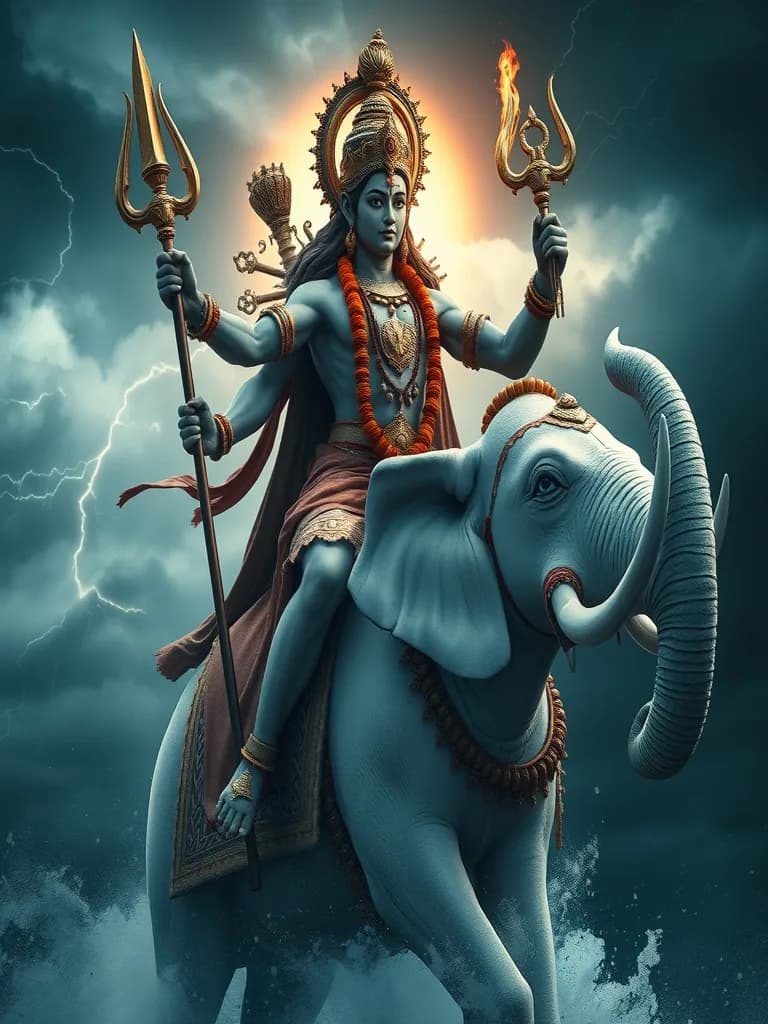
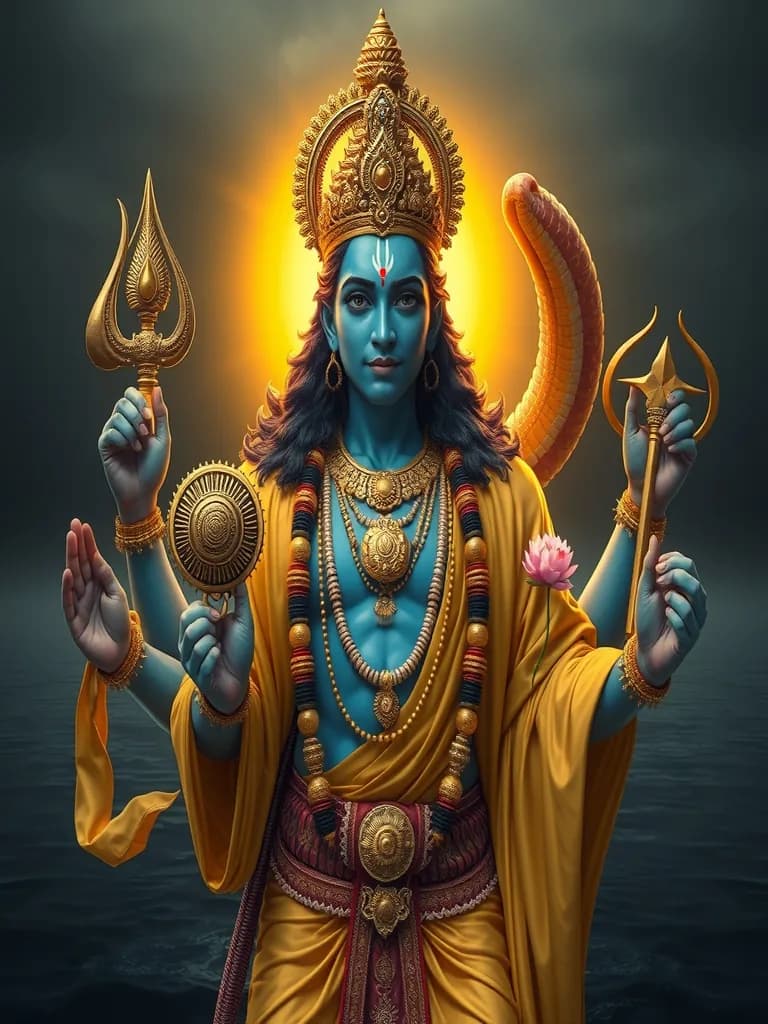
King of the devas and lord of the heavens, Indra is the god of thunder, rain, and war, a central figure of the ancient Vedic hymns. He wields the thunderbolt Vajra and rides the white elephant Airavata. Though powerful, he is portrayed with human flaws such as pride and impulsiveness. As The King of Heaven and Storms, this deity occupies a position of supreme prestige in the hindus pantheon. Their domains over Thunder, Rain & War reflect ancestral cosmic order maintained across millennia. In classical iconography, they are depicted with an aura of unshakeable majesty and sacred attributes that inspired reverence in emperors and peasants alike. Their influence extended beyond earthly boundaries, governing fates and harmony between the visible and invisible worlds. For ancient devotees, contemplating their essence was to understand the very fundamental forces of nature and human existence.

Sacred Symbols

Vajra thunderbolt, the white elephant Airavata, the rainbow and the rain clouds

Divine Lineage

King of the devas; husband of Indrani; central to the Vedic pantheon, older than the classical Trimurti.

The Legendary Myth

Indra's greatest feat was the slaying of the dragon-serpent Vritra, who had imprisoned all the waters of the world, causing a cosmic drought.

Legends & Deeds

A celebrated secondary legend preserved in the oral traditions of the hindus recounts the journey when Indra intervened directly in the lives of mortals.

Cult & Worship

Historically, the cult of Indra occupied a central place in the religious and architectural calendar of antiquity.

Relics of Power

An indestructible thunderbolt weapon forged from a sage's bones, able to split mountains.

Did You Know?

In the oldest Vedas, Indra is the most celebrated deity of all; over time, he yielded the leading role to Vishnu and Shiva.

The rest of this scroll is sealed

The myth, the legends, the cult, the relic and the curiosity are part of the full Codex. Without a subscription you open 3 scrolls a day.

See Codex PRO

From the same pantheon

View pantheon