CMCodex
Back to the Codex
Min
Egyptian

Min

The God of Fertility

Domain
Fertility, Harvest & Virility
Alignment
Neutral Good
Element
Earth
Relics of Power
Royal Flail
Speak with Min

The People

People
Ancient Egyptians
Region
Nile Valley, Egypt
Period
c. 3100 BC – 400 AD

The Egyptian gods were worshipped for over three millennia along the banks of the Nile, with monumental temples at Karnak, Luxor, and Heliopolis. The pharaohs were held to be divine, and life revolved around cosmic order (Maat) and preparation for the afterlife. The cult endured until the rise of Christianity in Roman Egypt.

At the Opet festival, Amun's sacred barque sailed from Karnak to Luxor amid celebrating crowds. In the temples, priests woke, dressed, and fed the god's statue every day, and the Beautiful Festival of the Valley carried the deities to visit the shore of the dead.
The Sacred Scrolls

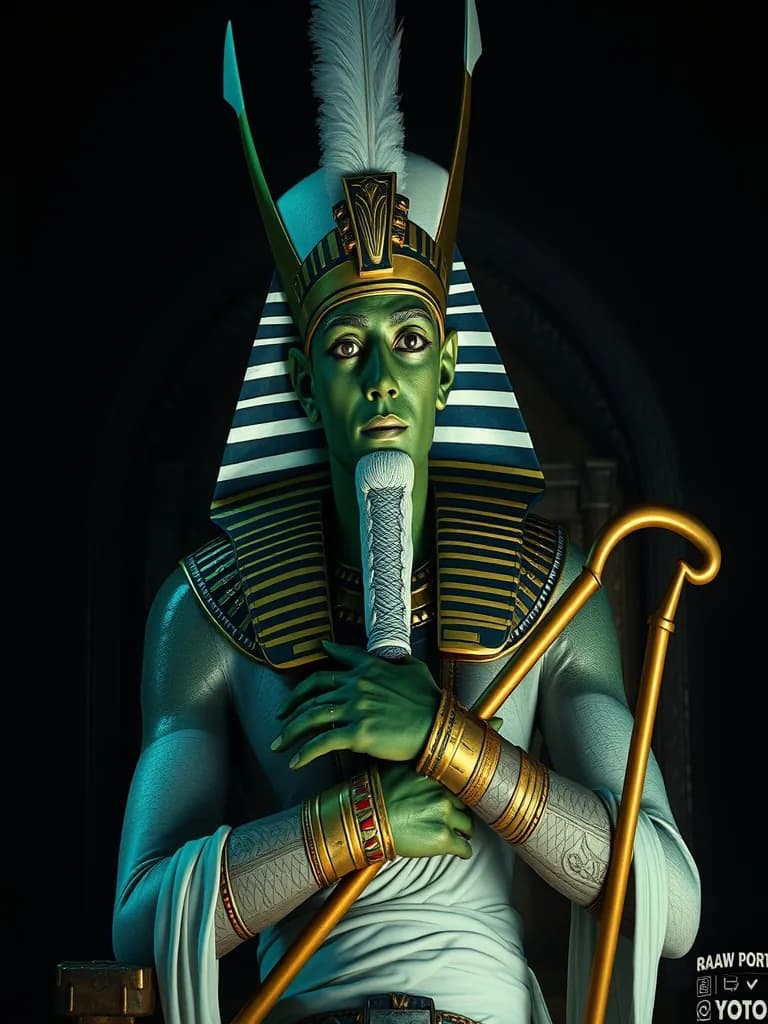
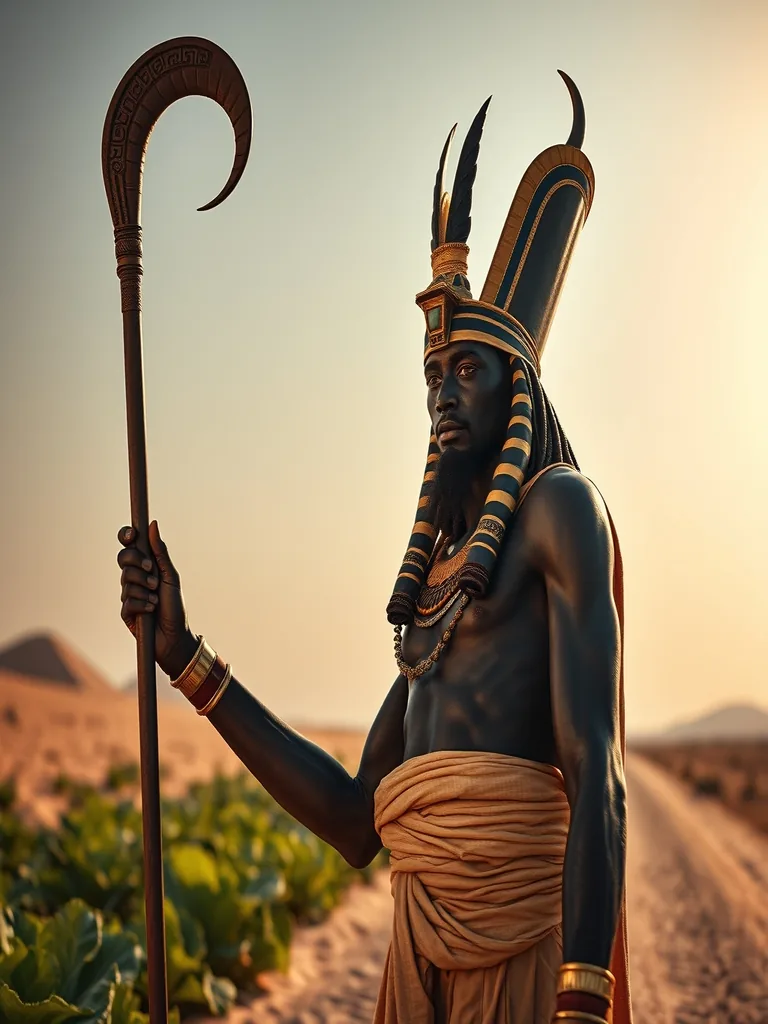
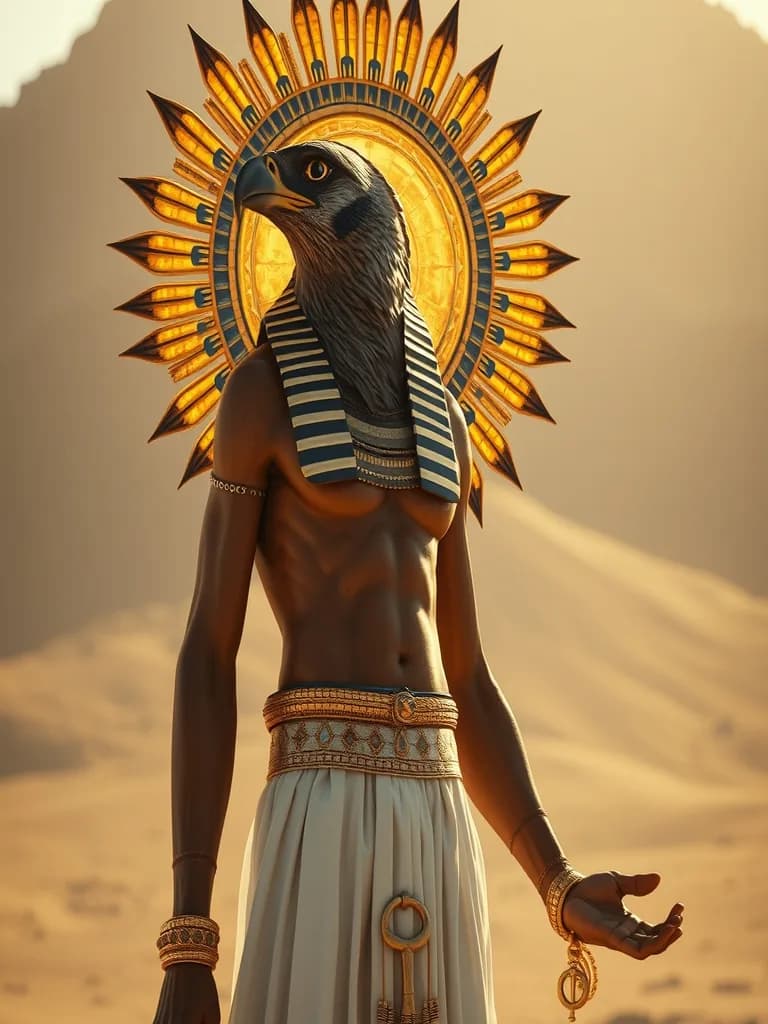
Min is one of the most ancient Egyptian gods, a deity of fertility, virility and the harvests. Protector of reproduction and male potency, he was also the patron of the routes of the eastern desert. His figure, always depicted in ithyphallic form, symbolized the generative power of life. As The God of Fertility, this deity occupies a position of supreme prestige in the egípcios pantheon. Their domains over Fertility, Harvest & Virility reflect ancestral cosmic order maintained across millennia. In classical iconography, they are depicted with an aura of unshakeable majesty and sacred attributes that inspired reverence in emperors and peasants alike. Their influence extended beyond earthly boundaries, governing fates and harmony between the visible and invisible worlds. For ancient devotees, contemplating their essence was to understand the very fundamental forces of nature and human existence.

Sacred Symbols

The flail, the lettuce, the white bull and the harvest

Divine Lineage

Ancient fertility god; sometimes associated with Horus and Amun.

The Legendary Myth

Min was celebrated at the harvest festival, when the pharaoh ritually cut the first sheaf of grain in his honor, ensuring the abundance of the realm.

Legends & Deeds

A celebrated secondary legend preserved in the oral traditions of the egípcios recounts the journey when Min intervened directly in the lives of mortals.

Cult & Worship

Historically, the cult of Min occupied a central place in the religious and architectural calendar of antiquity.

Relics of Power

The flail raised in his hand, symbol of fertile power and authority over the harvests.

Did You Know?

The cult of Min is so ancient that it appears already on objects of the predynastic period, making him one of the most enduring deities in all of Egyptian history.

The rest of this scroll is sealed

The myth, the legends, the cult, the relic and the curiosity are part of the full Codex. Without a subscription you open 3 scrolls a day.

See Codex PRO

From the same pantheon

View pantheon