CMCodex
Back to the Codex
Minerva
Roman

Minerva

The Goddess of Wisdom and Crafts

Domain
Wisdom, Arts & Crafts
Alignment
Lawful Good
Element
Air
Relics of Power
Aegis and Spear
Speak with Minerva

The People

People
Romans
Region
Rome & the Roman Empire
Period
8th c. BC – 4th c. AD

The Romans worshipped their gods as guardians of the state, the home, and war, identifying many of them with Greek deities. The official cult was led by colleges of priests and by the emperor himself, with temples in the heart of Rome. Their religion followed the Empire's expansion across Europe, North Africa, and the Middle East.

The December Saturnalia reversed social roles in days of feasting and gifts, and the Lupercalia purified the city in February. The Vestal Virgins guarded Vesta's sacred fire, and victorious generals paraded in triumph to the temple of Jupiter Capitolinus.
The Sacred Scrolls

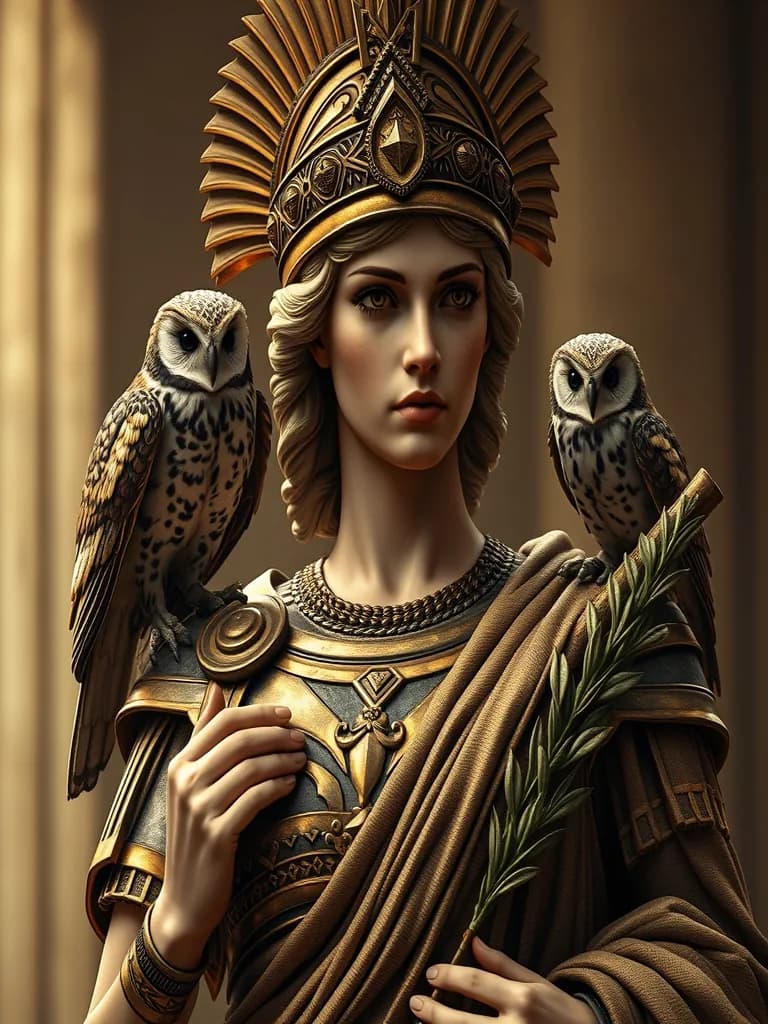
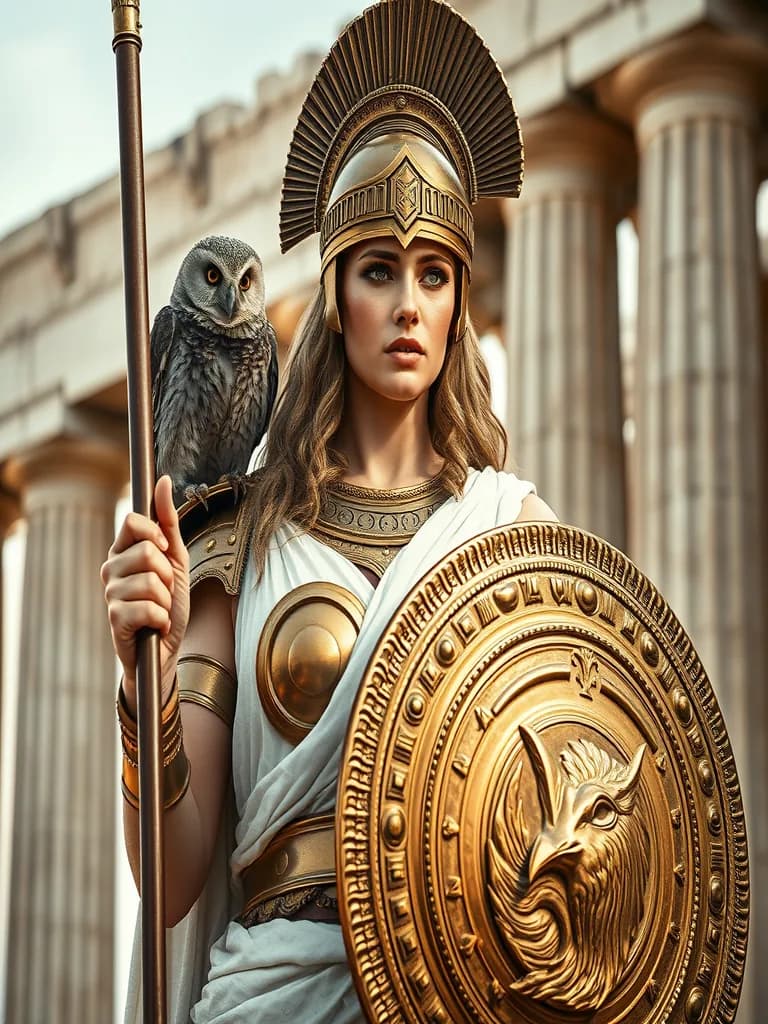
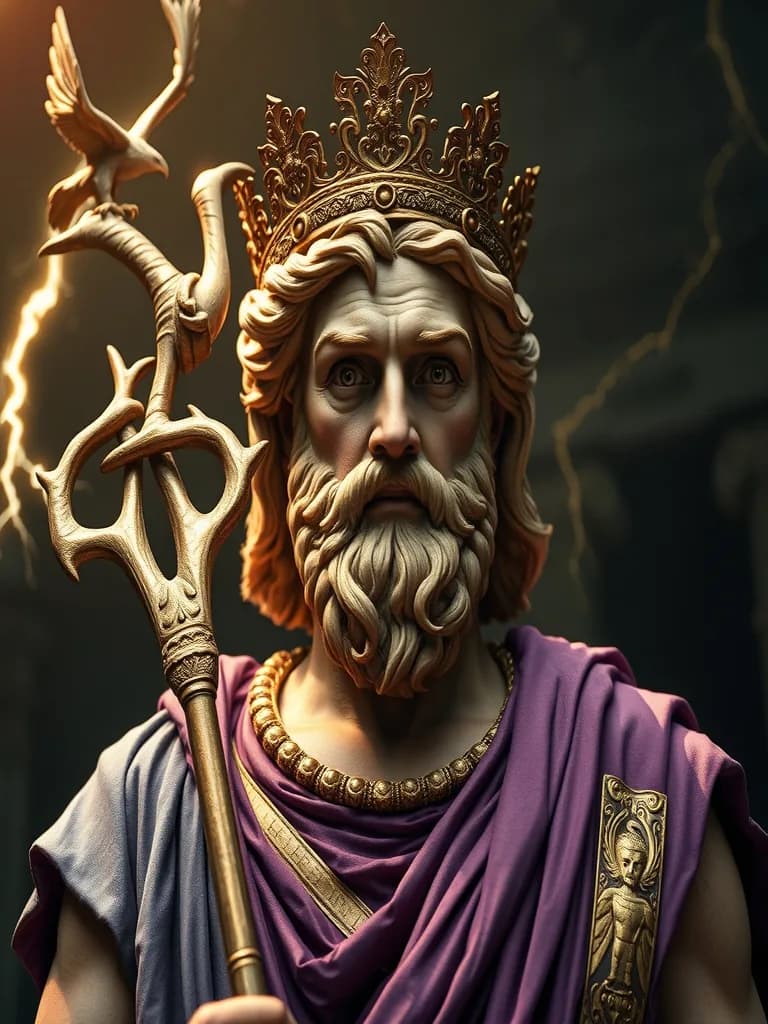
Goddess of wisdom, strategy, and above all of crafts and the arts, Minerva was revered by artisans, physicians, teachers, and students. A member of the Capitoline triad alongside Jupiter and Juno, she had a central role in the state religion. More than a warrior, she was the patroness of technical skill and applied knowledge. As The Goddess of Wisdom and Crafts, this deity occupies a position of supreme prestige in the romanos pantheon. Their domains over Wisdom, Arts & Crafts reflect ancestral cosmic order maintained across millennia. In classical iconography, they are depicted with an aura of unshakeable majesty and sacred attributes that inspired reverence in emperors and peasants alike. Their influence extended beyond earthly boundaries, governing fates and harmony between the visible and invisible worlds. For ancient devotees, contemplating their essence was to understand the very fundamental forces of nature and human existence.

Sacred Symbols

The owl, the aegis, the spear, the helmet and the olive tree

Divine Lineage

Daughter of Jupiter; member of the Capitoline triad with Jupiter and Juno.

The Legendary Myth

The great festival in her honor, the Quinquatrus, was especially celebrated by craftsmen and students, who asked her blessing on their work and study.

Legends & Deeds

A celebrated secondary legend preserved in the oral traditions of the romanos recounts the journey when Minerva intervened directly in the lives of mortals.

Cult & Worship

Historically, the cult of Minerva occupied a central place in the religious and architectural calendar of antiquity.

Relics of Power

The shield and spear of the goddess, symbols of wise defense and mastery of the arts and crafts.

Did You Know?

The owl of Minerva became a universal symbol of wisdom and knowledge, present on the coats of arms of universities around the world.

The rest of this scroll is sealed

The myth, the legends, the cult, the relic and the curiosity are part of the full Codex. Without a subscription you open 3 scrolls a day.

See Codex PRO

Divine Equivalents

From the same pantheon

View pantheon