CMCodex
Back to the Codex
Mokosh
Slavic

Mokosh

The Moist Mother Earth

Domain
Earth, Spinning & Fertility
Alignment
Neutral Good
Element
Earth
Relics of Power
Spindle of Fate
Speak with Mokosh

The People

People
Slavic peoples
Region
Eastern Europe
Period
c. 500 – 1000 AD

The Slavic deities were worshipped by the peoples of Eastern Europe, from Russia to the Balkans, before their Christianization. They venerated them in wooden idols and open-air sanctuaries, tied to the forces of nature and the seasons. With few written records, their beliefs survive mainly in folklore and popular traditions.

On Kupala night, the summer solstice, young people leapt over bonfires and floated flower crowns on the rivers. Maslenitsa saw off winter with pancakes in honor of the sun, and in Kiev prince Vladimir raised — and later toppled — a great idol of Perun.

The Sacred Scrolls

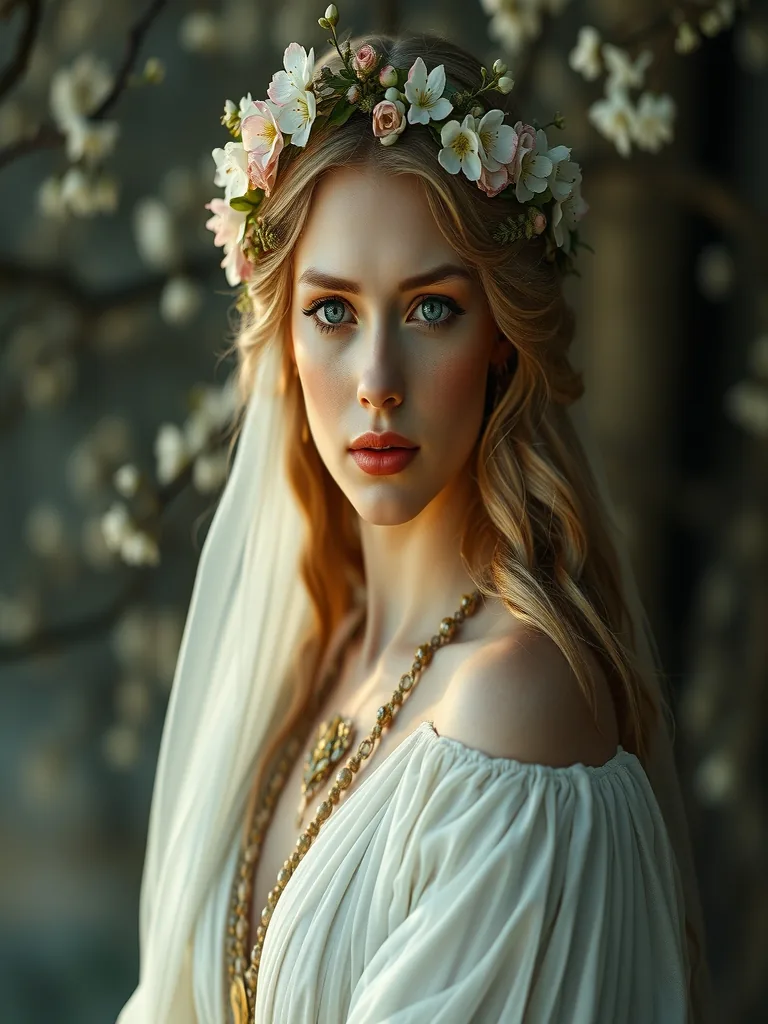
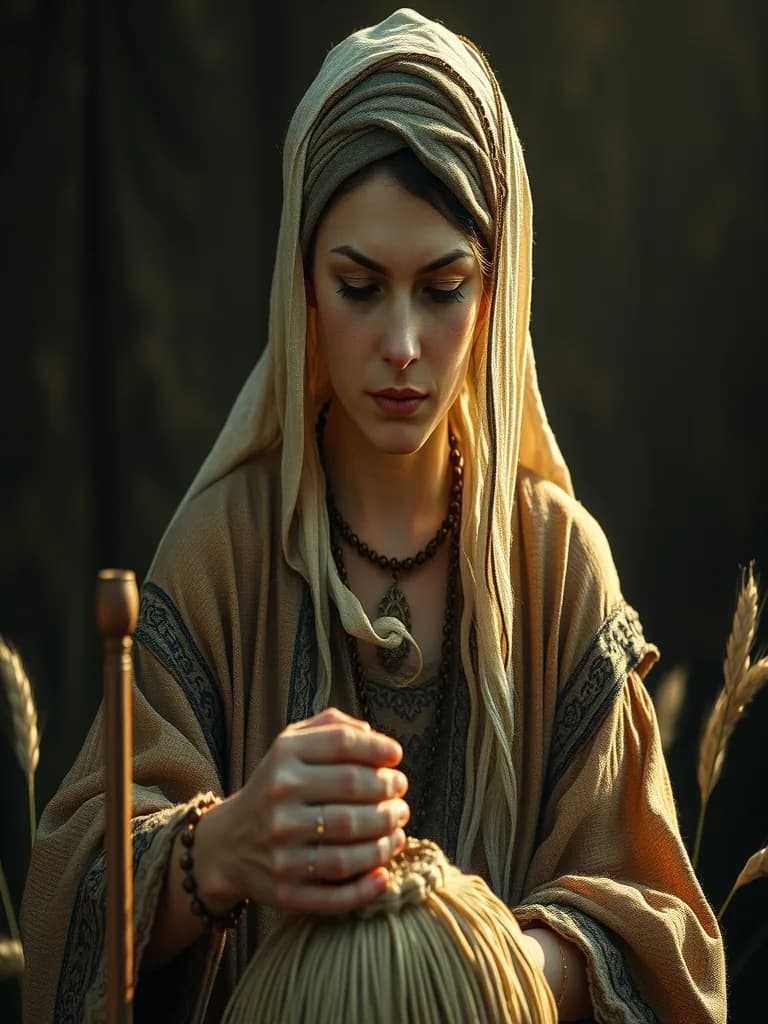
Goddess of the earth, fertility, spinning, and the fate of women, Mokosh is the only female deity of the official Slavic pantheon. As the 'Moist Mother Earth', she protects the harvests, childbirth, and textile work. She spins the threads of life, linking the destiny of mortals to the fertility of the soil. As The Moist Mother Earth, this deity occupies a position of supreme prestige in the eslavos pantheon. Their domains over Earth, Spinning & Fertility reflect ancestral cosmic order maintained across millennia. In classical iconography, they are depicted with an aura of unshakeable majesty and sacred attributes that inspired reverence in emperors and peasants alike. Their influence extended beyond earthly boundaries, governing fates and harmony between the visible and invisible worlds. For ancient devotees, contemplating their essence was to understand the very fundamental forces of nature and human existence.

Sacred Symbols

The spindle, the wool, the grain and the moist earth

Divine Lineage

The only goddess of Vladimir's pantheon; protector of women and the home.

The Legendary Myth

Mokosh watched over women's work, and Slavic women avoided spinning on certain days so as not to offend her. It was believed that at night she roamed the houses inspecting the wool and thread of the weavers.

Legends & Deeds

A celebrated secondary legend preserved in the oral traditions of the eslavos recounts the journey when Mokosh intervened directly in the lives of mortals.

Cult & Worship

Historically, the cult of Mokosh occupied a central place in the religious and architectural calendar of antiquity.

Relics of Power

A spindle with which she spins the threads of life, fate, and the fertility of the fields.

Did You Know?

Her cult survived in the folk figure of 'Saint Paraskeva of Friday', who inherited many of the attributes of the old Slavic goddess.

The rest of this scroll is sealed

The myth, the legends, the cult, the relic and the curiosity are part of the full Codex. Without a subscription you open 3 scrolls a day.

See Codex PRO

From the same pantheon

View pantheon