CMCodex
Back to the Codex
Obaluaiye
Yoruba

Obaluaiye

The Lord of the Earth and Diseases

Domain
Diseases, Healing & Earth
Alignment
True Neutral
Element
Earth
Relics of Power
Xaxará (Straw Scepter)
Speak with Obaluaiye

The People

People
Yoruba people
Region
West Africa & the diaspora
Period
c. 1000 AD – present

The orixás are worshipped by the Yoruba people of present-day Nigeria and Benin, with Ile-Ife as their spiritual center. Through the slave trade, their faith crossed the Atlantic and flourished in the Americas as Candomblé, Santería, and Vodou. It is today one of the most living and widespread African religious traditions in the world.

The Osun festival in Osogbo, Nigeria, draws thousands to the sacred grove of the Osun river, a UNESCO heritage site. The Ifá oracle guides decisions through the odus, and in Brazil the Candomblé terreiros honor each orixá with their own drums, dances, colors, and foods.

The Sacred Scrolls

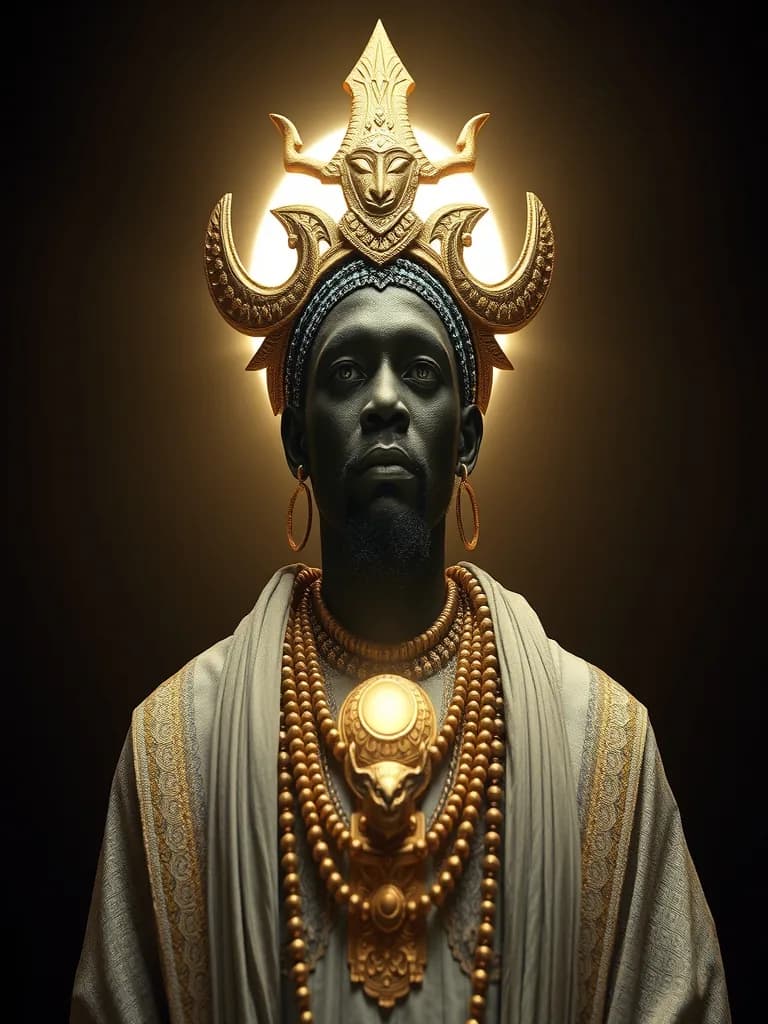
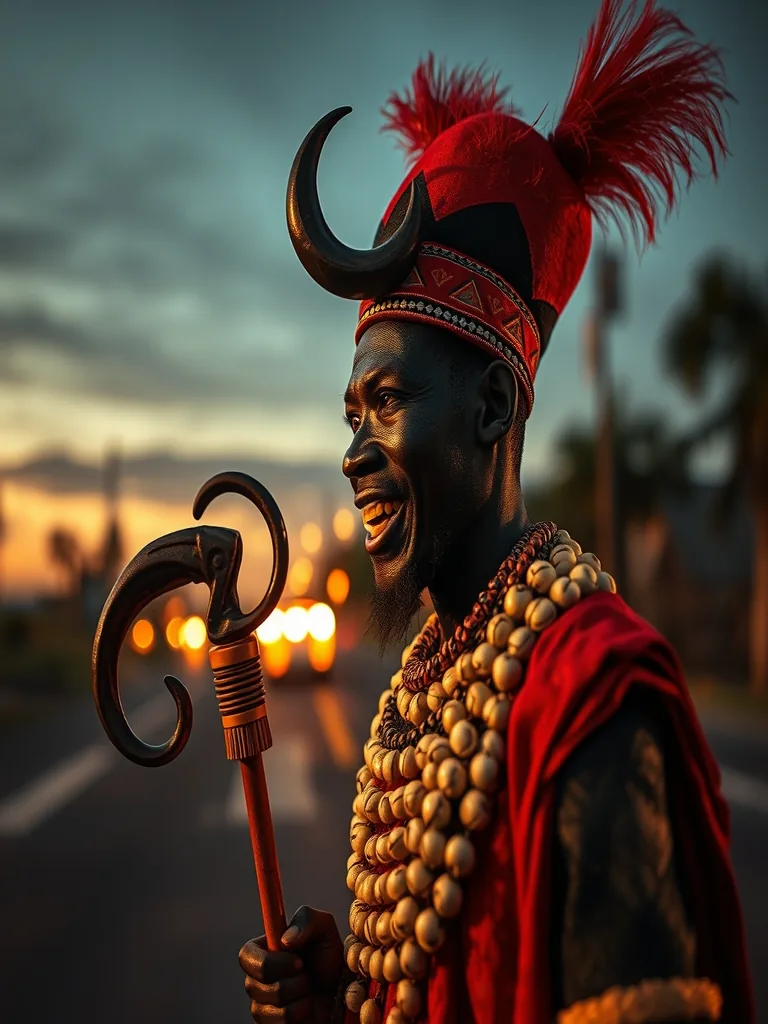
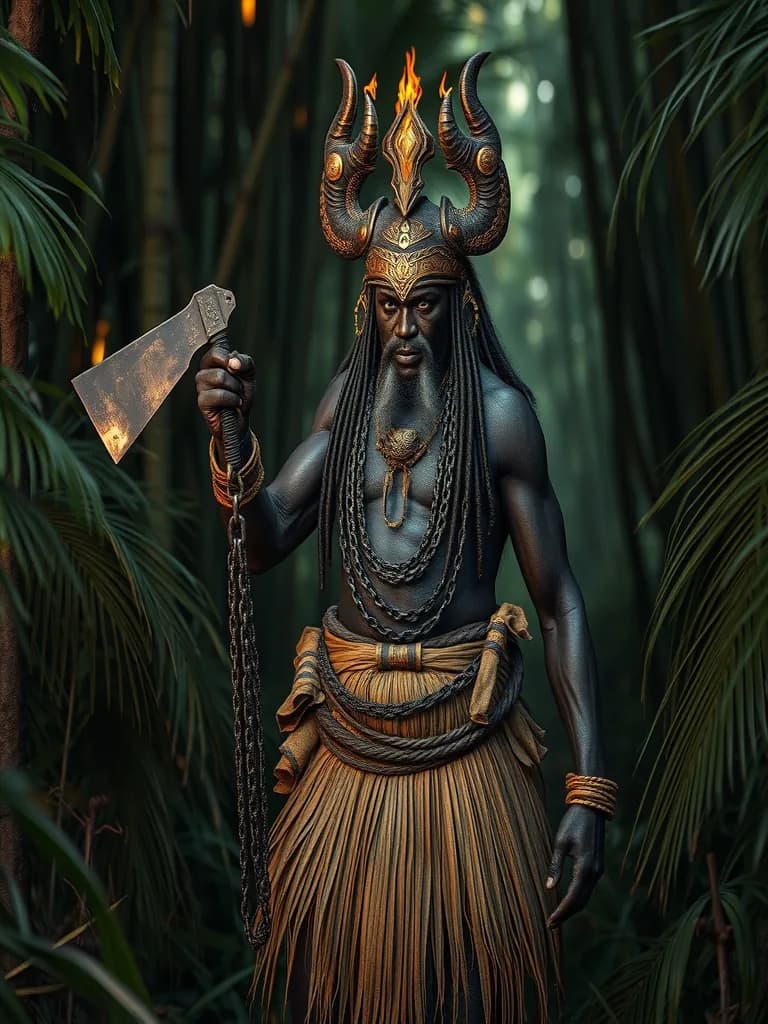
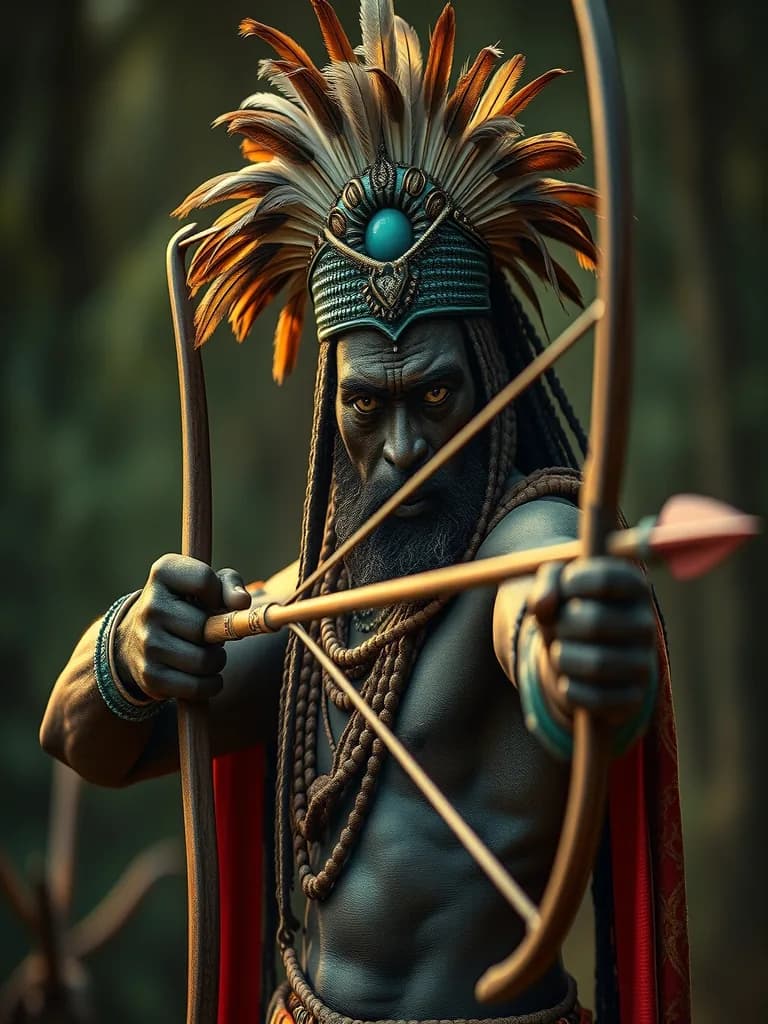
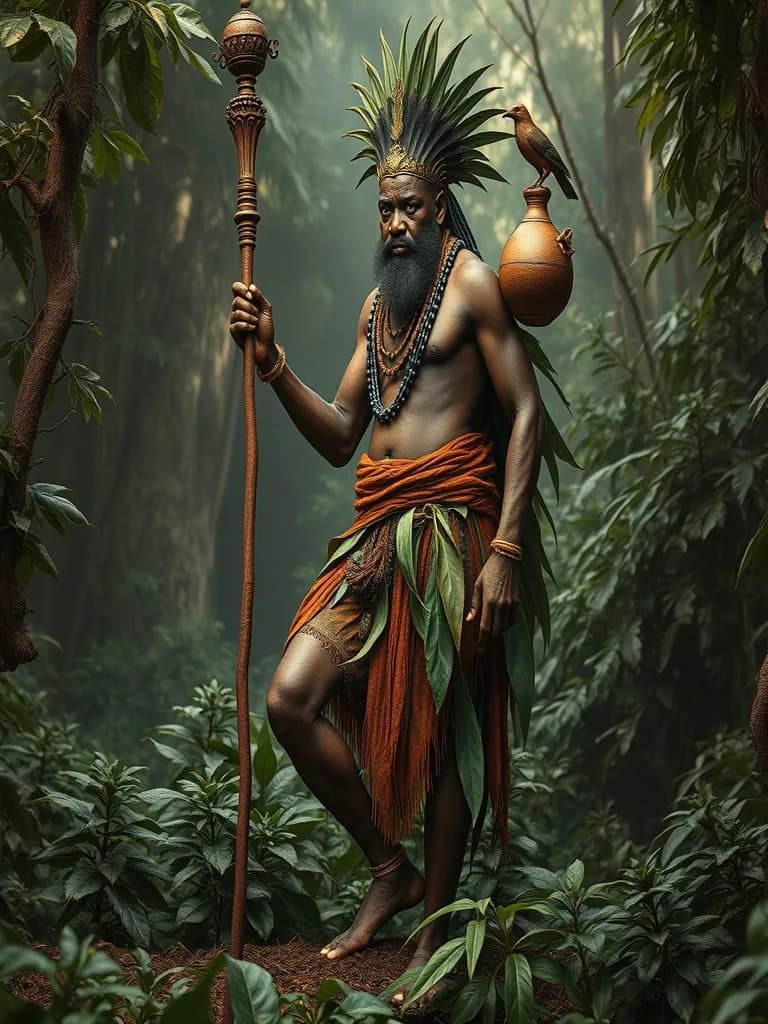
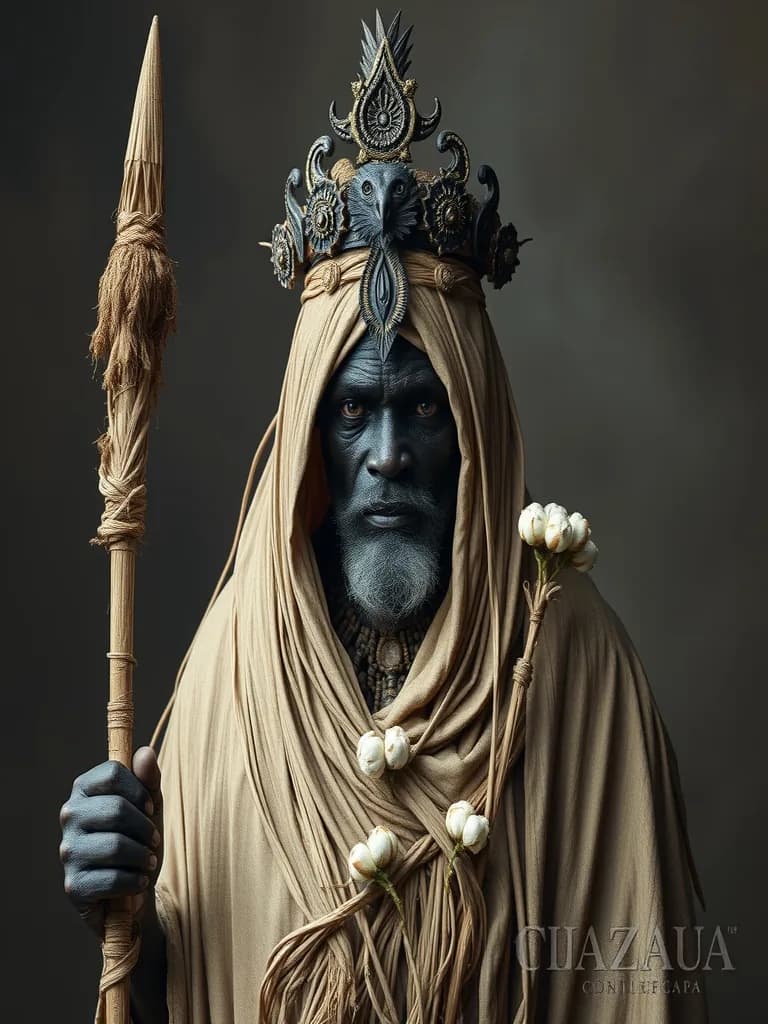
Orixá of diseases, epidemics, and also of their cure, Obaluaê (or Omolu) holds dual power over health and pestilence. Covered by raffia palm that hides his marked body, he is a feared and deeply respected deity. Lord of the earth and of the poor, he reminds us that the same force that sickens is the one that can heal. As The Lord of the Earth and Diseases, this deity occupies a position of supreme prestige in the iorubas pantheon. Their domains over Diseases, Healing & Earth reflect ancestral cosmic order maintained across millennia. In classical iconography, they are depicted with an aura of unshakeable majesty and sacred attributes that inspired reverence in emperors and peasants alike. Their influence extended beyond earthly boundaries, governing fates and harmony between the visible and invisible worlds. For ancient devotees, contemplating their essence was to understand the very fundamental forces of nature and human existence.

Sacred Symbols

The xaxará, the raffia palm, the popcorn (doburu) and the colors black and white

Divine Lineage

Son of Nanã; brother of Oxumaré; orixá of health and disease.

The Legendary Myth

The myth tells that Obaluaê was born with his body covered in sores and was rejected by his mother Nanã, being raised by Iemanjá by the sea.

Legends & Deeds

A celebrated secondary legend preserved in the oral traditions of the iorubas recounts the journey when Obaluaiye intervened directly in the lives of mortals.

Cult & Worship

Historically, the cult of Obaluaiye occupied a central place in the religious and architectural calendar of antiquity.

Relics of Power

A scepter of raffia palm that both spreads plagues and sweeps away and heals diseases.

Did You Know?

Popcorn (doburu), the sacred offering of Obaluaê, symbolizes the transformation of wounds into white flowers and the healing that springs from suffering.

The rest of this scroll is sealed

The myth, the legends, the cult, the relic and the curiosity are part of the full Codex. Without a subscription you open 3 scrolls a day.

See Codex PRO

From the same pantheon

View pantheon