CMCodex
Back to the Codex
Zurvan
Persian

Zurvan

Infinite Time

Domain
Time, Fate & Eternity
Alignment
True Neutral
Element
Light
Relics of Power
Hourglass of Aeons
Speak with Zurvan

The People

People
Persians (Zoroastrians)
Region
Persia (modern Iran)
Period
c. 1500 BC – 650 AD

The Persian deities belong to Zoroastrianism, the faith of the ancient Persian Empire, founded on the teachings of Zarathustra. Centered on the cosmic struggle between good (Ahura Mazda) and evil (Angra Mainyu), it influenced Judaism, Christianity, and Islam. It is still practiced by Zoroastrian communities in Iran and India (the Parsis).

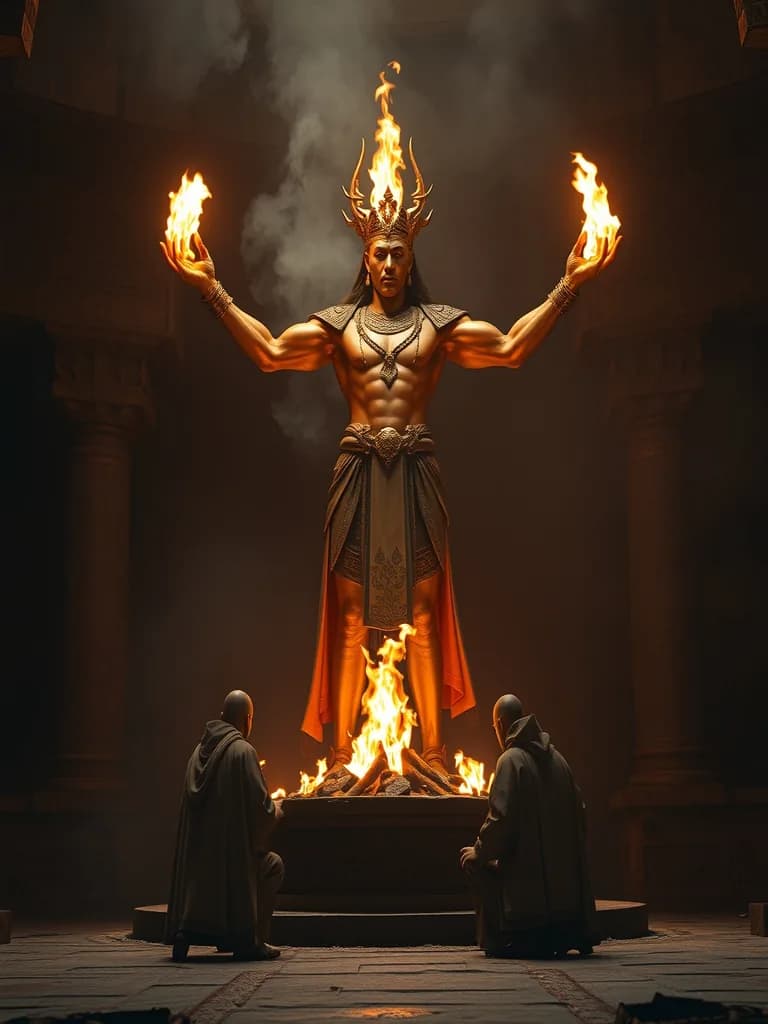
In the fire temples, priests keep sacred flames that have burned for centuries — the one in Yazd, Iran, for over 1,500 years. Nowruz, the Persian new year at the spring equinox, and Yalda night, at the winter solstice, celebrate the victory of light over darkness.
The Sacred Scrolls

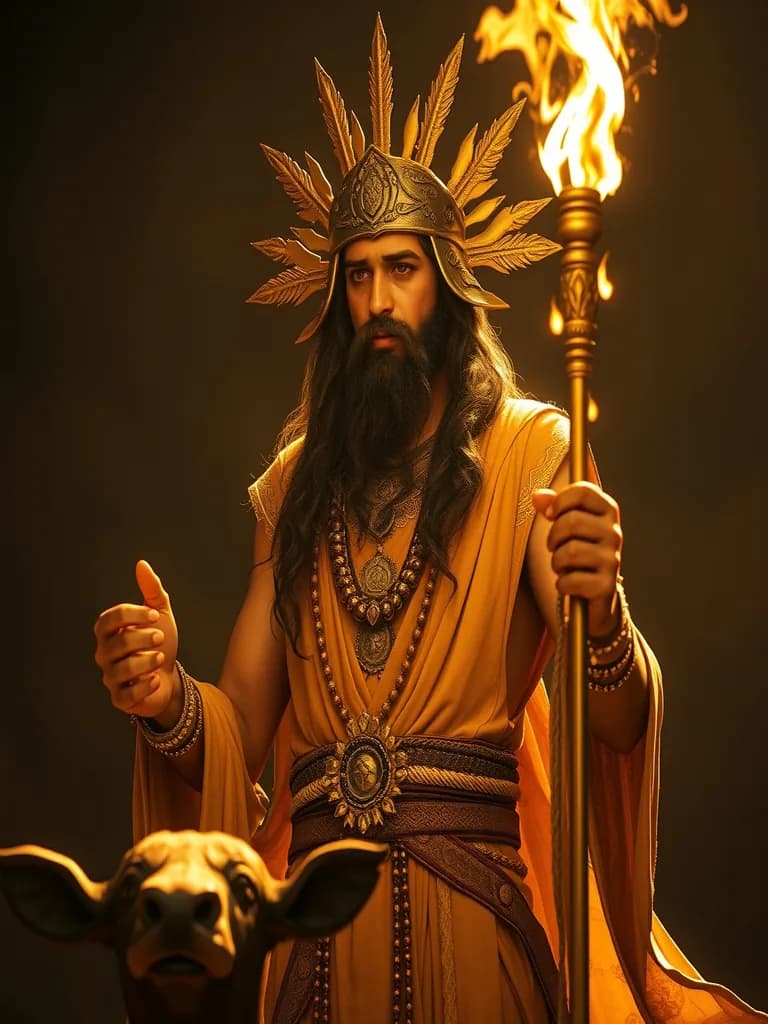
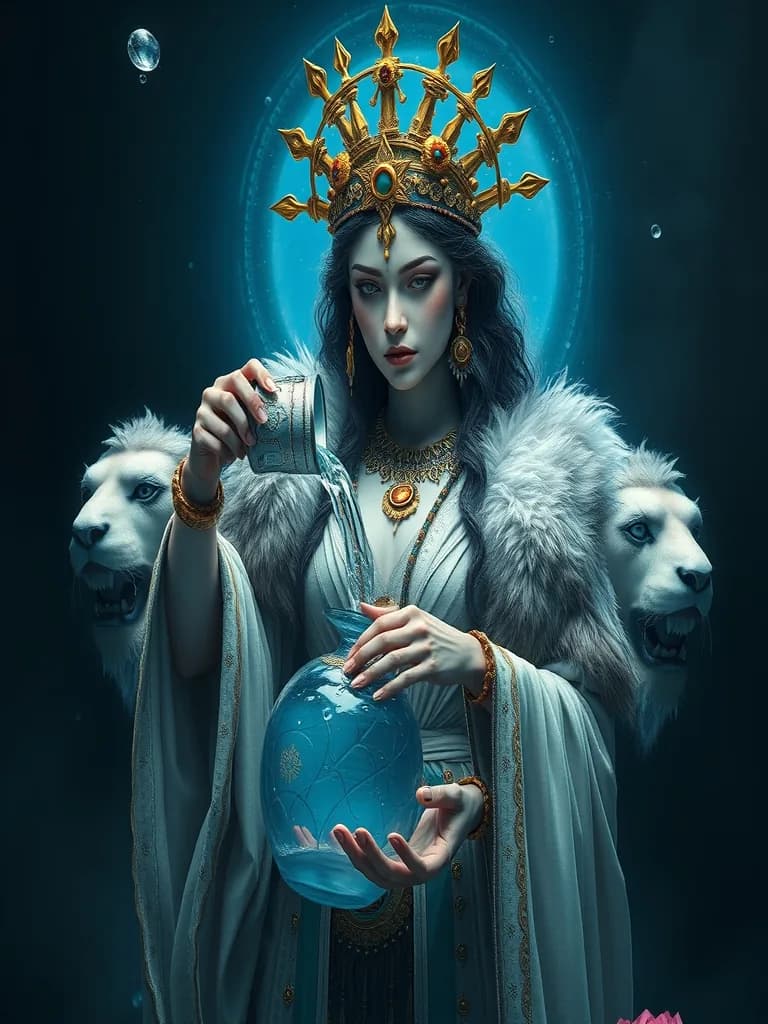
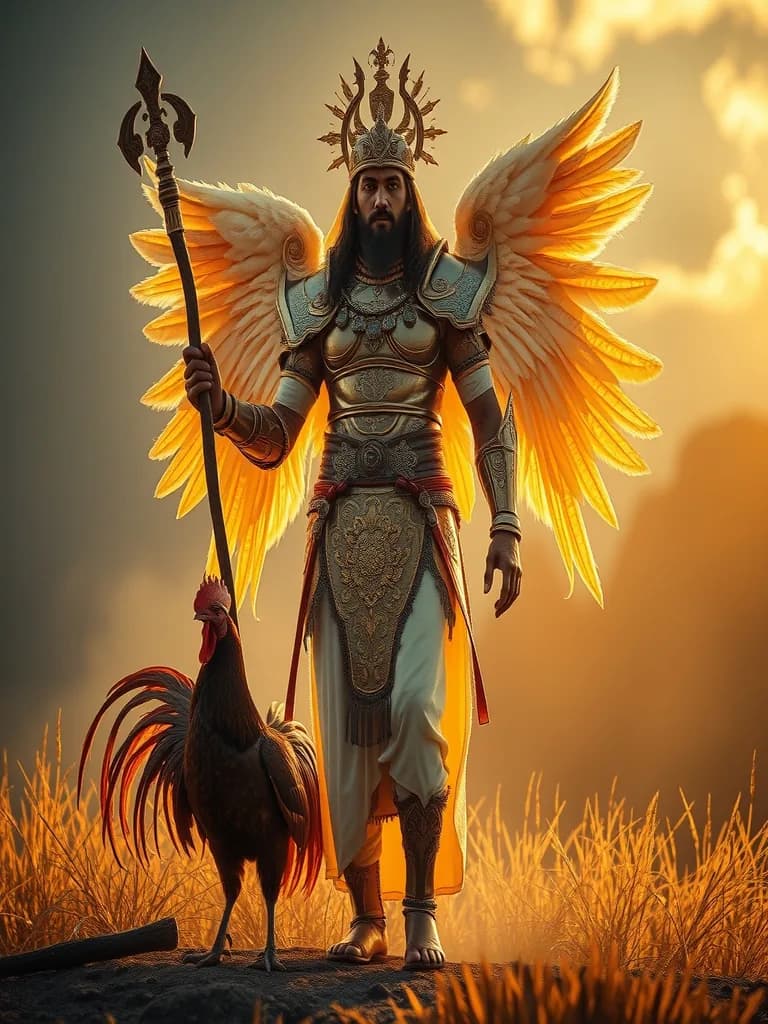
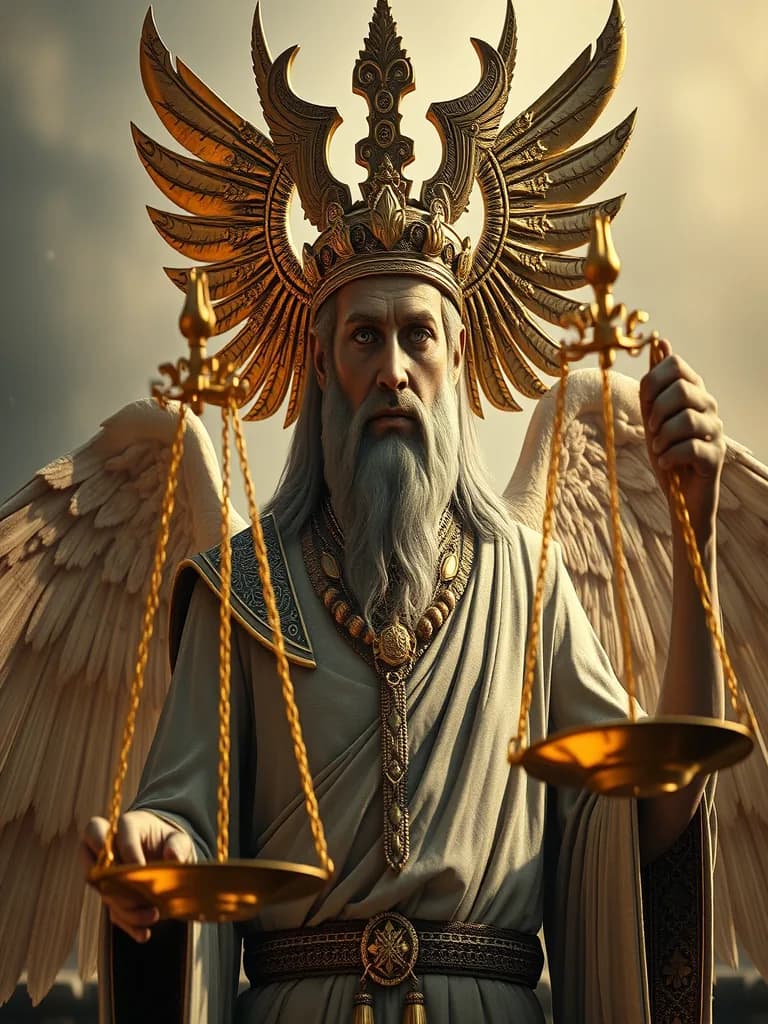
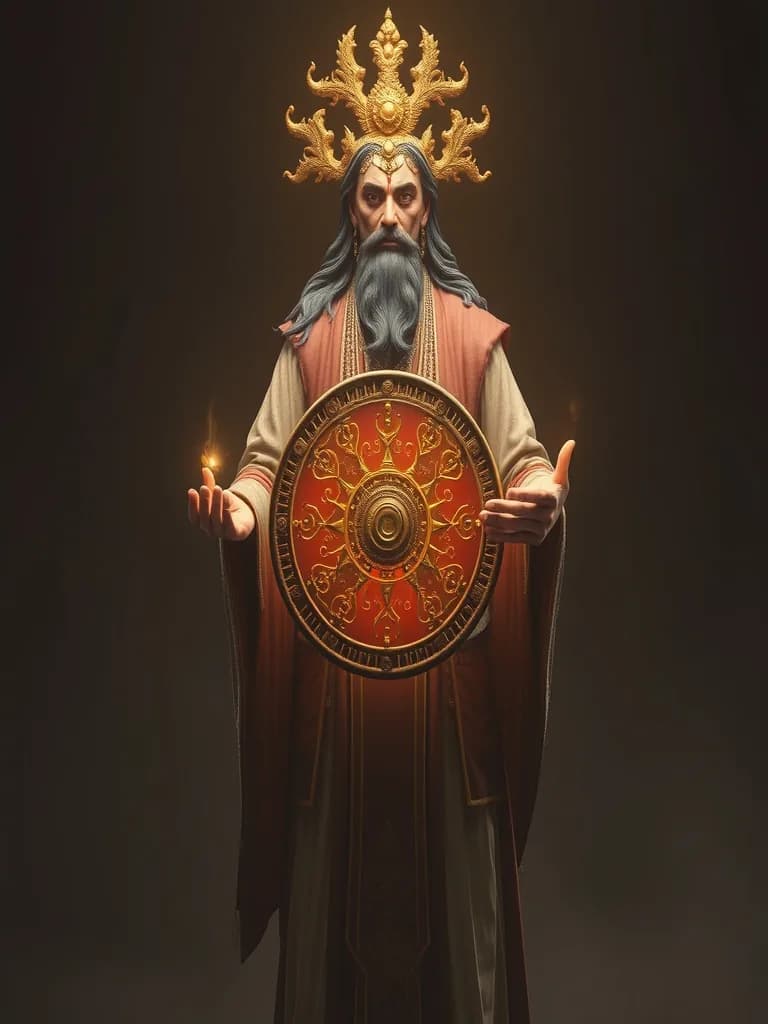
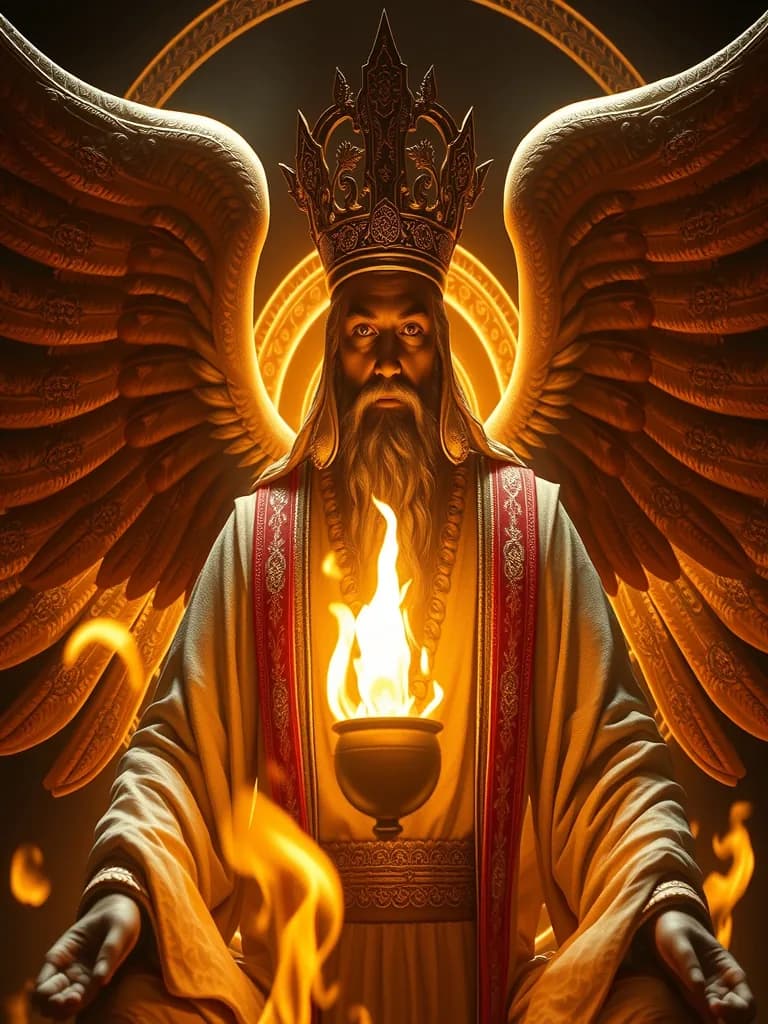
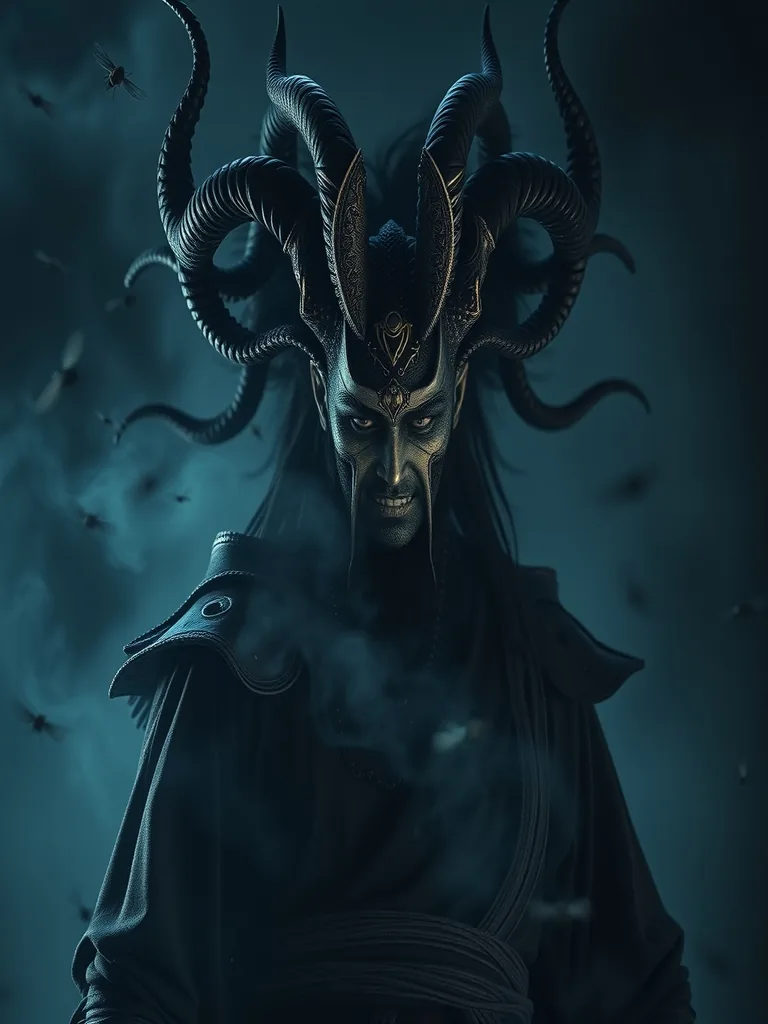
Zurvan is the Persian deity of infinite time and fate, a central figure of a current of Zoroastrianism known as Zurvanism. A primordial and neutral principle, prior to good and evil, it is from him that both Ahura Mazda and Angra Mainyu are said to have been born. He represents absolute time, which generates all things and embraces all things. As Infinite Time, this deity occupies a position of supreme prestige in the persas pantheon. Their domains over Time, Fate & Eternity reflect ancestral cosmic order maintained across millennia. In classical iconography, they are depicted with an aura of unshakeable majesty and sacred attributes that inspired reverence in emperors and peasants alike. Their influence extended beyond earthly boundaries, governing fates and harmony between the visible and invisible worlds. For ancient devotees, contemplating their essence was to understand the very fundamental forces of nature and human existence.

Sacred Symbols

The hourglass, the circle of time, the lion and the wings

Divine Lineage

Begetting father of Ahura Mazda and Angra Mainyu in the Zurvanite tradition.

The Legendary Myth

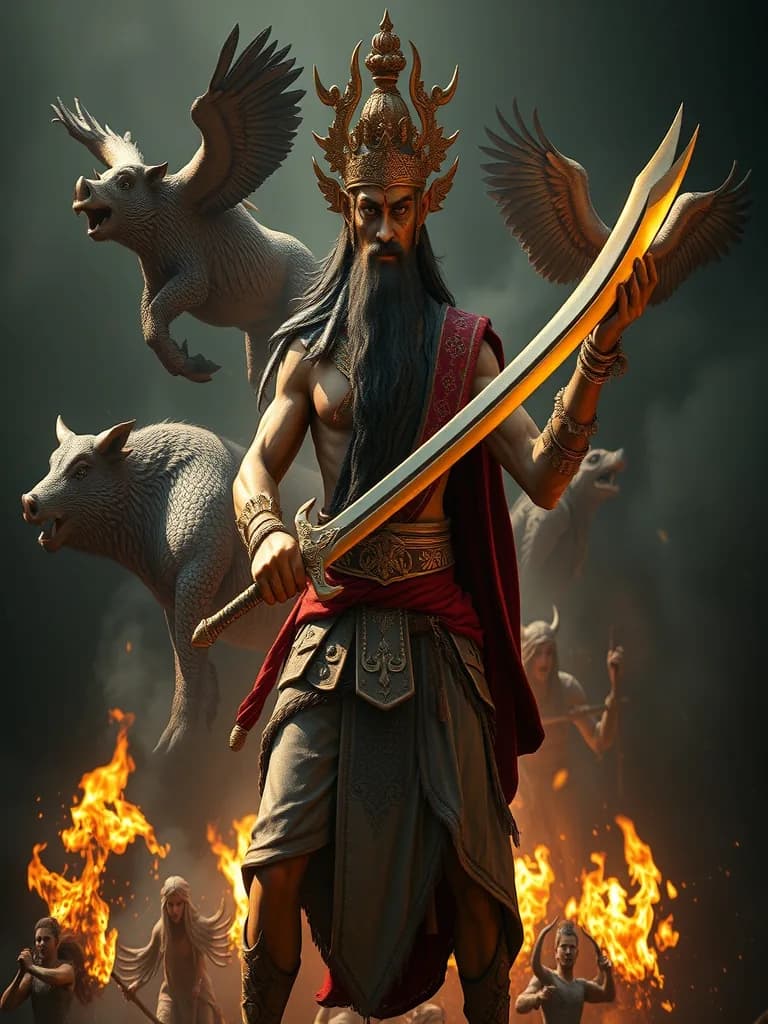
The Zurvanite myth tells that Zurvan sacrificed for a thousand years desiring a son who would create the world, but for an instant he hesitated in doubt.

Legends & Deeds

A celebrated secondary legend preserved in the oral traditions of the persas recounts the journey when Zurvan intervened directly in the lives of mortals.

Cult & Worship

Historically, the cult of Zurvan occupied a central place in the religious and architectural calendar of antiquity.

Relics of Power

The measure of endless time, from whose eternity were born both the light and the darkness of the world.

Did You Know?

Zurvanism, by placing a neutral principle above good and evil, was deemed heresy by Zoroastrian orthodoxy, yet it prevailed at the Sassanid court for centuries.

The rest of this scroll is sealed

The myth, the legends, the cult, the relic and the curiosity are part of the full Codex. Without a subscription you open 3 scrolls a day.

See Codex PRO

From the same pantheon

View pantheon