CMCodex
Back to the Codex
Ceres
Roman

Ceres

The Goddess of the Harvest and Bread

Domain
Agriculture, Harvest & Motherhood
Alignment
Neutral Good
Element
Earth
Relics of Power
Torch of the Eternal Search
Speak with Ceres

The People

People
Romans
Region
Rome & the Roman Empire
Period
8th c. BC – 4th c. AD

The Romans worshipped their gods as guardians of the state, the home, and war, identifying many of them with Greek deities. The official cult was led by colleges of priests and by the emperor himself, with temples in the heart of Rome. Their religion followed the Empire's expansion across Europe, North Africa, and the Middle East.

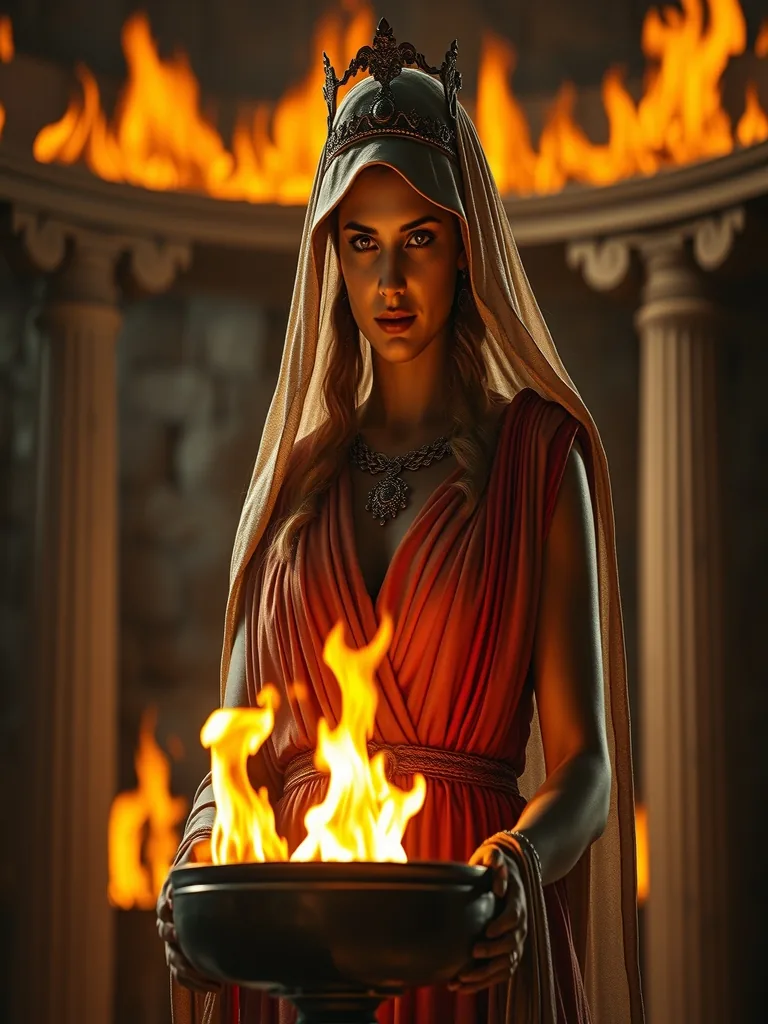
The December Saturnalia reversed social roles in days of feasting and gifts, and the Lupercalia purified the city in February. The Vestal Virgins guarded Vesta's sacred fire, and victorious generals paraded in triumph to the temple of Jupiter Capitolinus.
The Sacred Scrolls

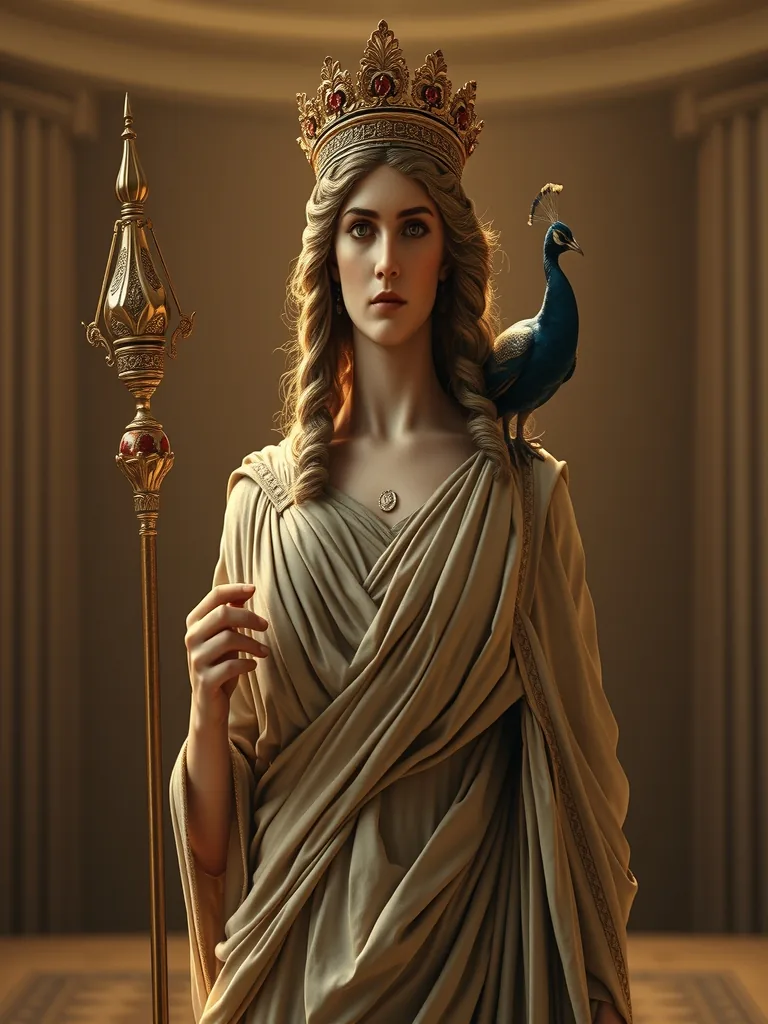
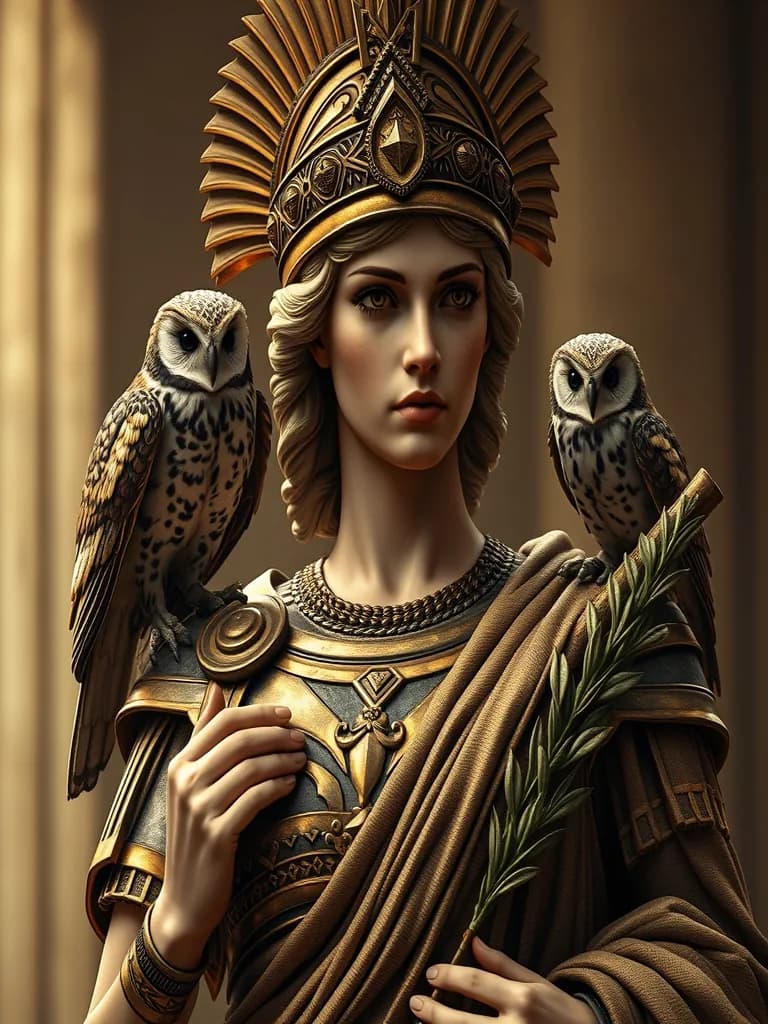
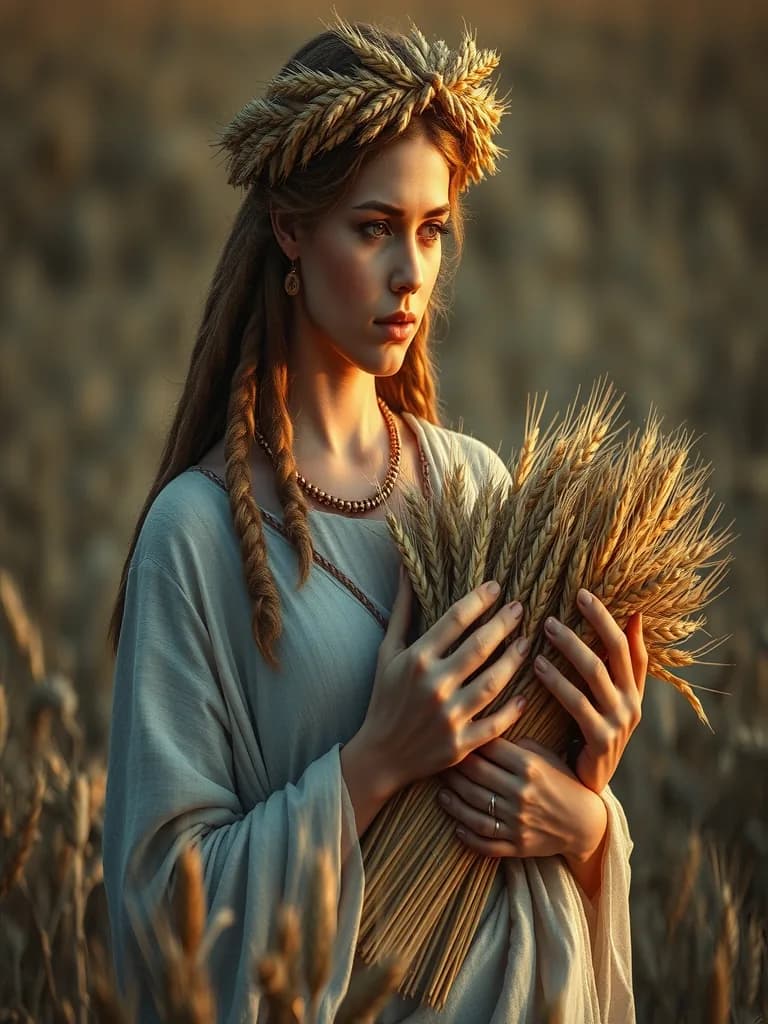
Goddess of agriculture, grain, and the fertility of the earth, Ceres is the provider of the bread that sustains humankind — her name gives rise to the word 'cereal'. A devoted mother and protector of laws and maternal bonds, she presides over the cycle of the seasons. The Roman equivalent of Demeter, she is one of the oldest and most revered agricultural deities of Rome. As The Goddess of the Harvest and Bread, this deity occupies a position of supreme prestige in the romanos pantheon. Their domains over Agriculture, Harvest & Motherhood reflect ancestral cosmic order maintained across millennia. In classical iconography, they are depicted with an aura of unshakeable majesty and sacred attributes that inspired reverence in emperors and peasants alike. Their influence extended beyond earthly boundaries, governing fates and harmony between the visible and invisible worlds. For ancient devotees, contemplating their essence was to understand the very fundamental forces of nature and human existence.

Sacred Symbols

The ear of wheat, the torch, the sickle and the crown of grain

Divine Lineage

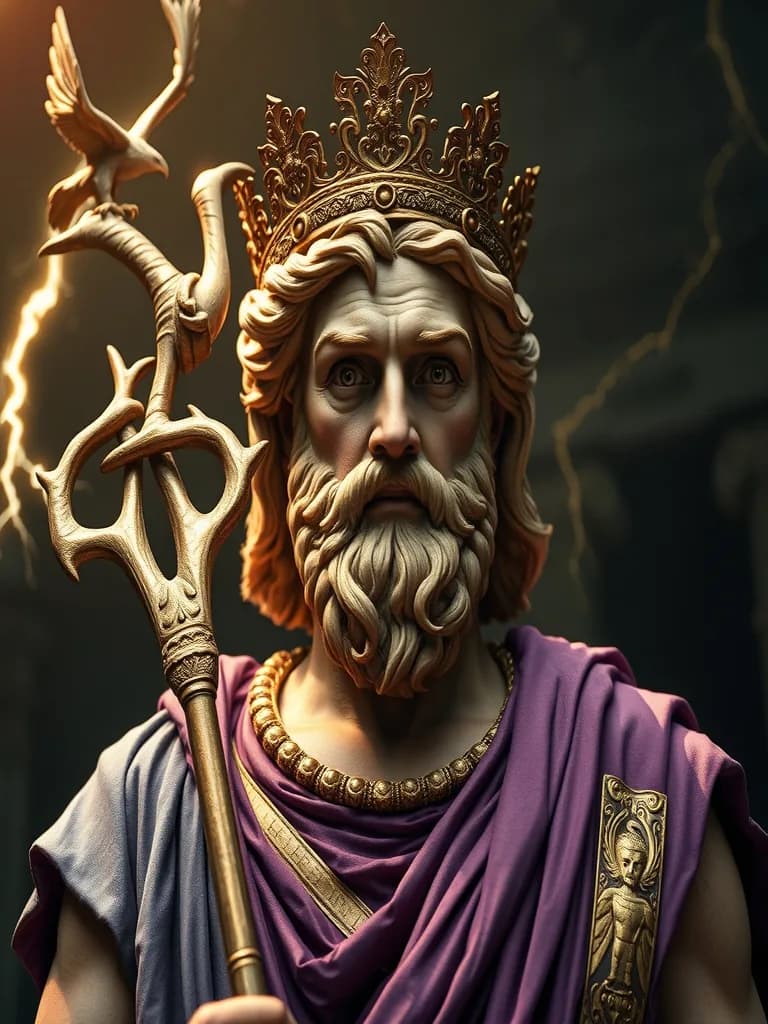
Daughter of Saturn; mother of Proserpina, abducted by Pluto into the underworld.

The Legendary Myth

When Pluto abducted her daughter Proserpina to make her queen of the underworld, Ceres wandered the earth in despair, a torch in hand, searching for her.

Legends & Deeds

A celebrated secondary legend preserved in the oral traditions of the romanos recounts the journey when Ceres intervened directly in the lives of mortals.

Cult & Worship

Historically, the cult of Ceres occupied a central place in the religious and architectural calendar of antiquity.

Relics of Power

The torch with which she scoured the world seeking her abducted daughter, and the ear of grain that gives bread to humankind.

Did You Know?

Her festival, the Cerealia, lasted seven days in April, and in it foxes were released with torches tied to their tails, in an agricultural rite of obscure meaning.

The rest of this scroll is sealed

The myth, the legends, the cult, the relic and the curiosity are part of the full Codex. Without a subscription you open 3 scrolls a day.

See Codex PRO

Divine Equivalents

From the same pantheon

View pantheon