CMCodex
Back to the Codex
Dagon
Canaanite

Dagon

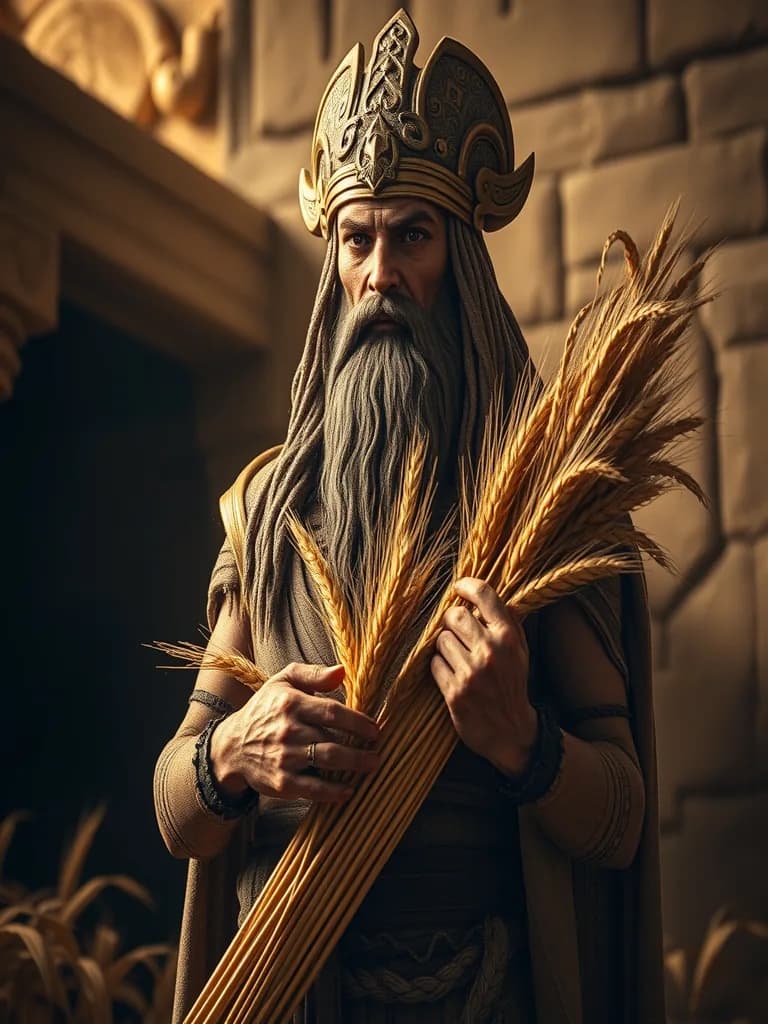
The Lord of the Grain

Domain
Grain, Harvest & Plenty
Alignment
Lawful Neutral
Element
Earth
Relics of Power
Sheaf of Grain
Speak with Dagon

The People

People
Canaanites & Phoenicians
Region
Levant (Syria, Lebanon, Israel)
Period
c. 3000 – 300 BC

The Canaanite gods were worshipped by the peoples of the Levant, including the Phoenicians, great navigators and traders of the Mediterranean. Headed by El and the storm god Baal, they were honored in cities such as Ugarit, Tyre, and Carthage. Their myths, rediscovered on the Ugarit tablets, closely echo the biblical traditions.

Worship followed Baal's agricultural cycle, with autumn festivals calling for the rains and laments for his descent into the world of the dead. The faithful worshipped at the "high places" (bamot) and in city temples, with stone steles, incense, and animal sacrifices.
The Sacred Scrolls

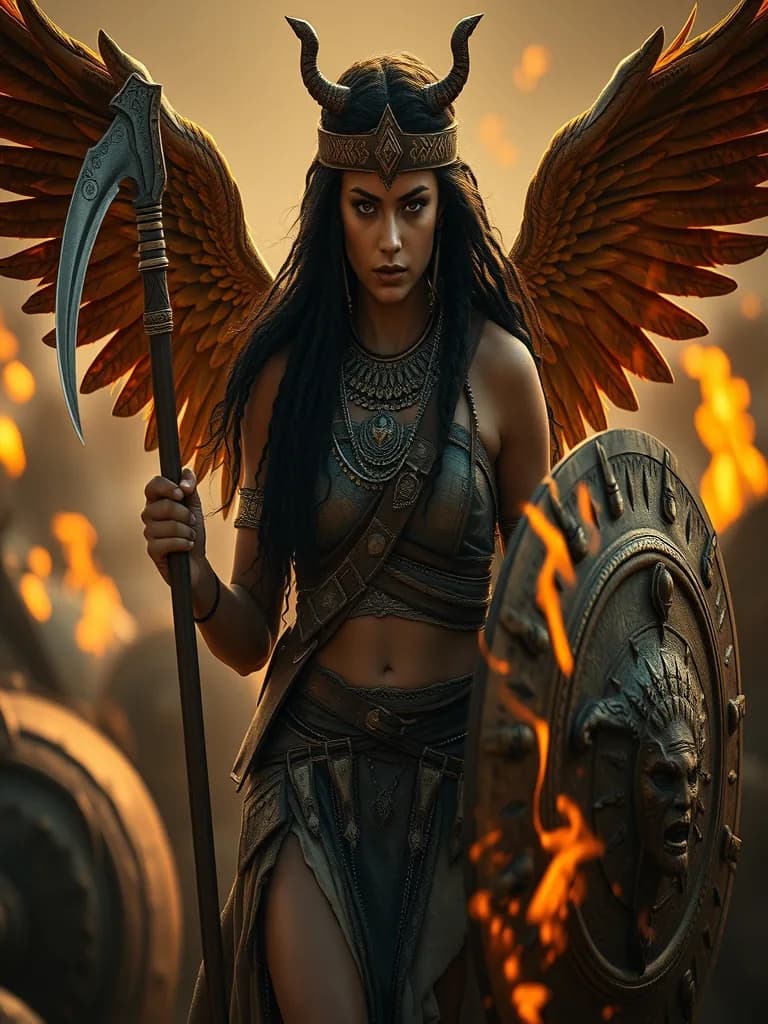
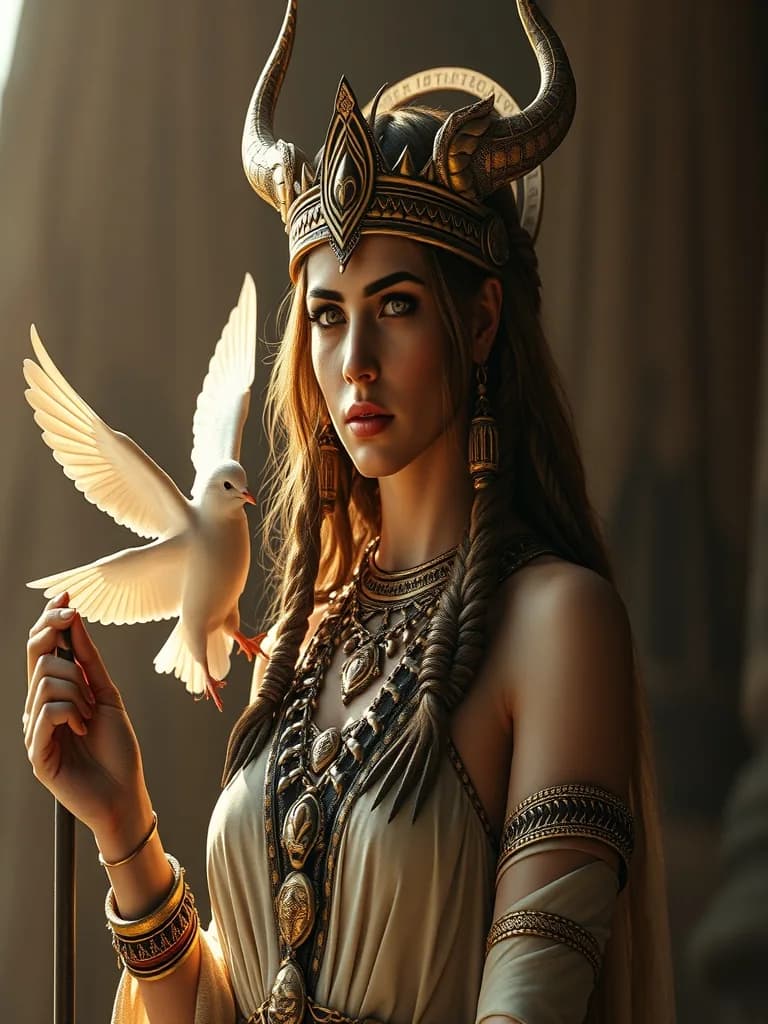
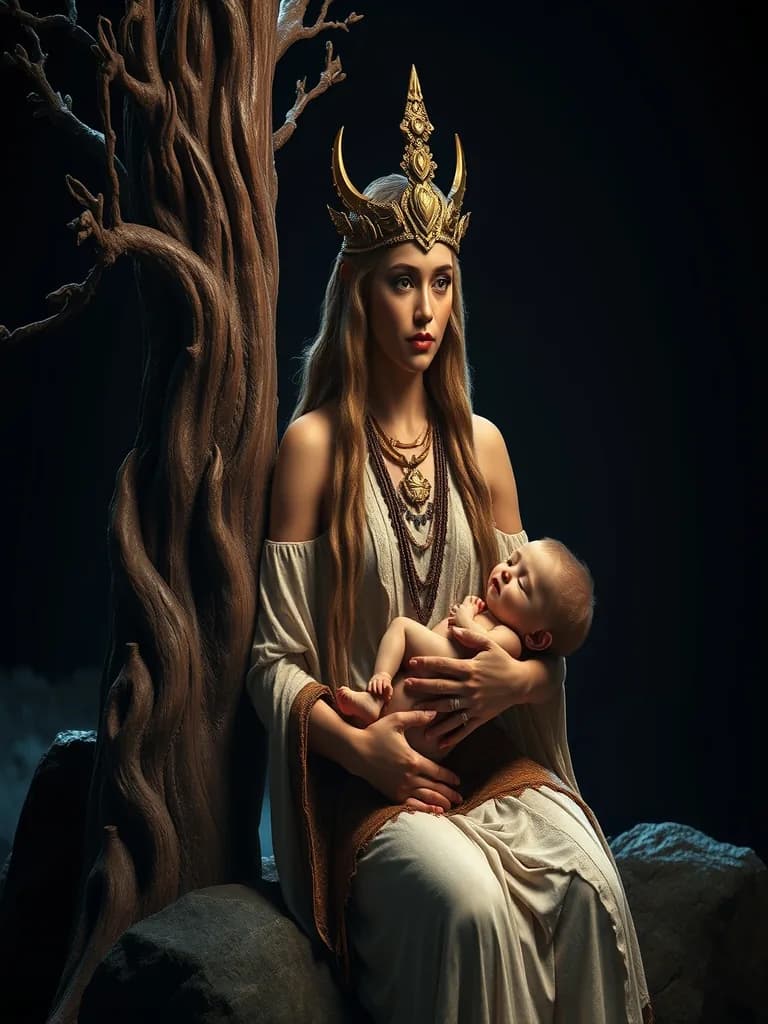
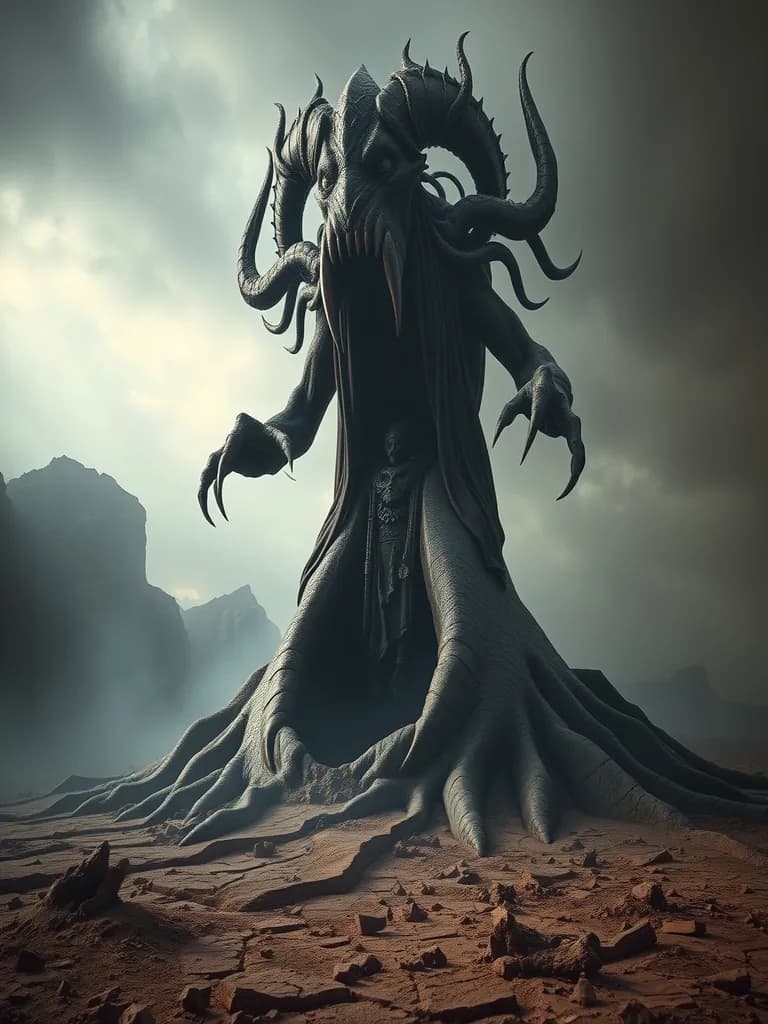
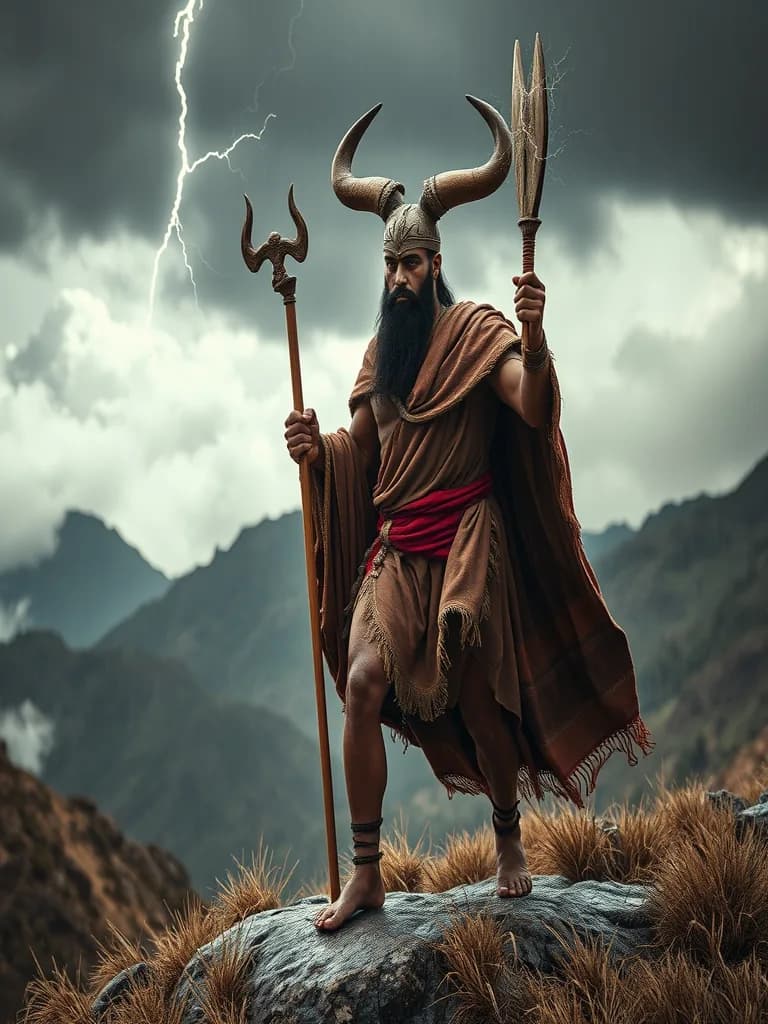
Dagon is an ancient Semitic god of agriculture, grain and plenty, worshipped among Canaanites, Amorites and Philistines. A provider of harvests and sustenance, he was an important and respected deity, tied to the fertility of the land. In some texts he appears as the father of Baal himself. As The Lord of the Grain, this deity occupies a position of supreme prestige in the cananeus pantheon. Their domains over Grain, Harvest & Plenty reflect ancestral cosmic order maintained across millennia. In classical iconography, they are depicted with an aura of unshakeable majesty and sacred attributes that inspired reverence in emperors and peasants alike. Their influence extended beyond earthly boundaries, governing fates and harmony between the visible and invisible worlds. For ancient devotees, contemplating their essence was to understand the very fundamental forces of nature and human existence.

Sacred Symbols

The ear of wheat, the plow, the sickle and the granary

Divine Lineage

Father of Baal in several traditions; an ancient god of the West Semitic pantheon.

The Legendary Myth

Dagon was worshipped for more than two millennia, from Mari and Ebla to the Philistine cities of Ashdod and Gaza, where he had great temples.

Legends & Deeds

A celebrated secondary legend preserved in the oral traditions of the cananeus recounts the journey when Dagon intervened directly in the lives of mortals.

Cult & Worship

Historically, the cult of Dagon occupied a central place in the religious and architectural calendar of antiquity.

Relics of Power

The bundle of wheat that symbolizes the abundance of the harvest and the sustenance he grants the peoples.

Did You Know?

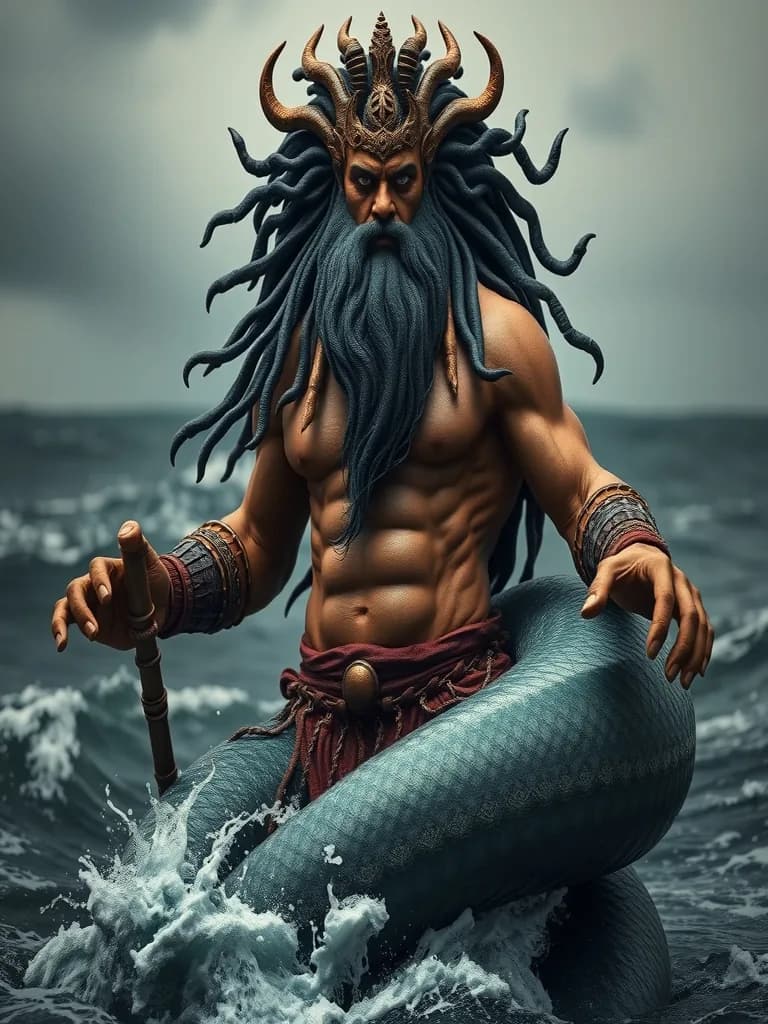
A late and mistaken tradition linked Dagon to the Hebrew word 'dag' (fish), creating the popular image of a half-man, half-fish god that has no basis in the ancient texts.

The rest of this scroll is sealed

The myth, the legends, the cult, the relic and the curiosity are part of the full Codex. Without a subscription you open 3 scrolls a day.

See Codex PRO

From the same pantheon

View pantheon