CMCodex
Back to the Codex
Pluto
Roman

Pluto

The Lord of the Underworld and Riches

Domain
Underworld, Death & Subterranean Wealth
Alignment
Lawful Neutral
Element
Darkness
Relics of Power
Cornucopia of the Depths
Speak with Pluto

The People

People
Romans
Region
Rome & the Roman Empire
Period
8th c. BC – 4th c. AD

The Romans worshipped their gods as guardians of the state, the home, and war, identifying many of them with Greek deities. The official cult was led by colleges of priests and by the emperor himself, with temples in the heart of Rome. Their religion followed the Empire's expansion across Europe, North Africa, and the Middle East.

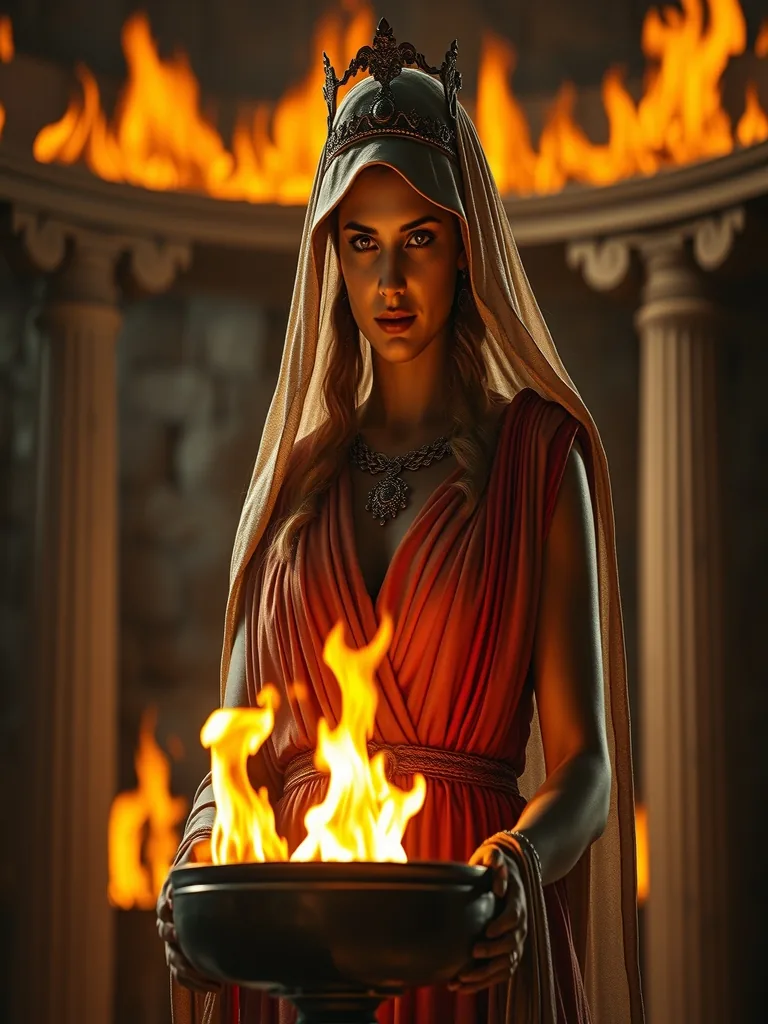
The December Saturnalia reversed social roles in days of feasting and gifts, and the Lupercalia purified the city in February. The Vestal Virgins guarded Vesta's sacred fire, and victorious generals paraded in triumph to the temple of Jupiter Capitolinus.
The Sacred Scrolls

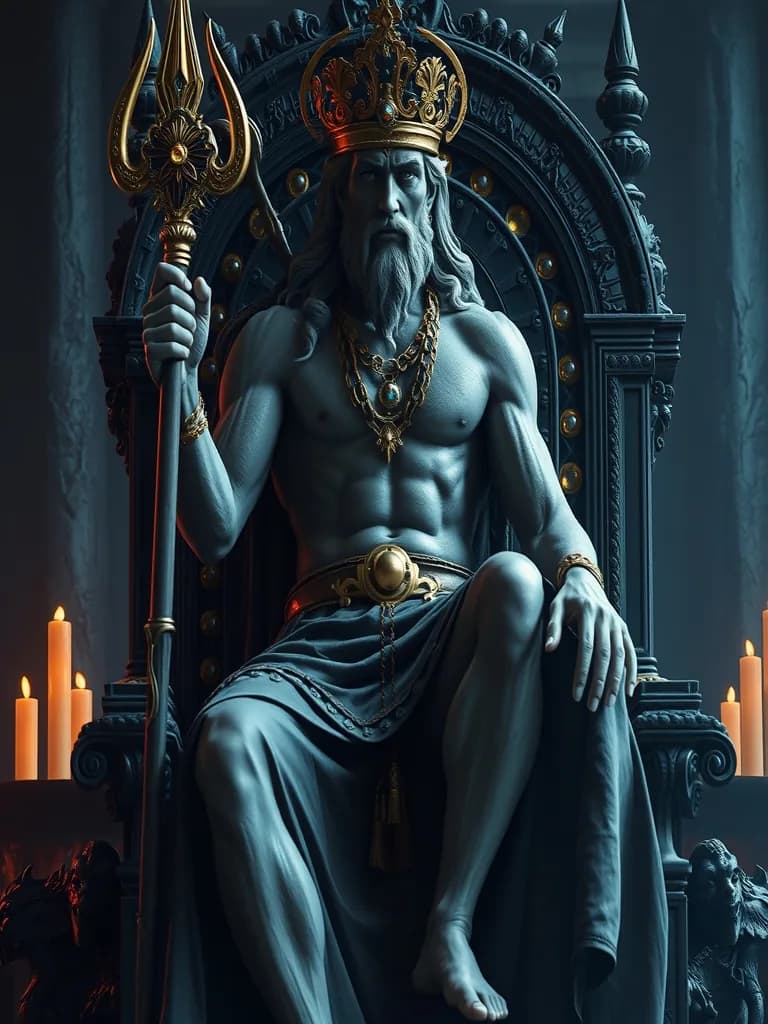
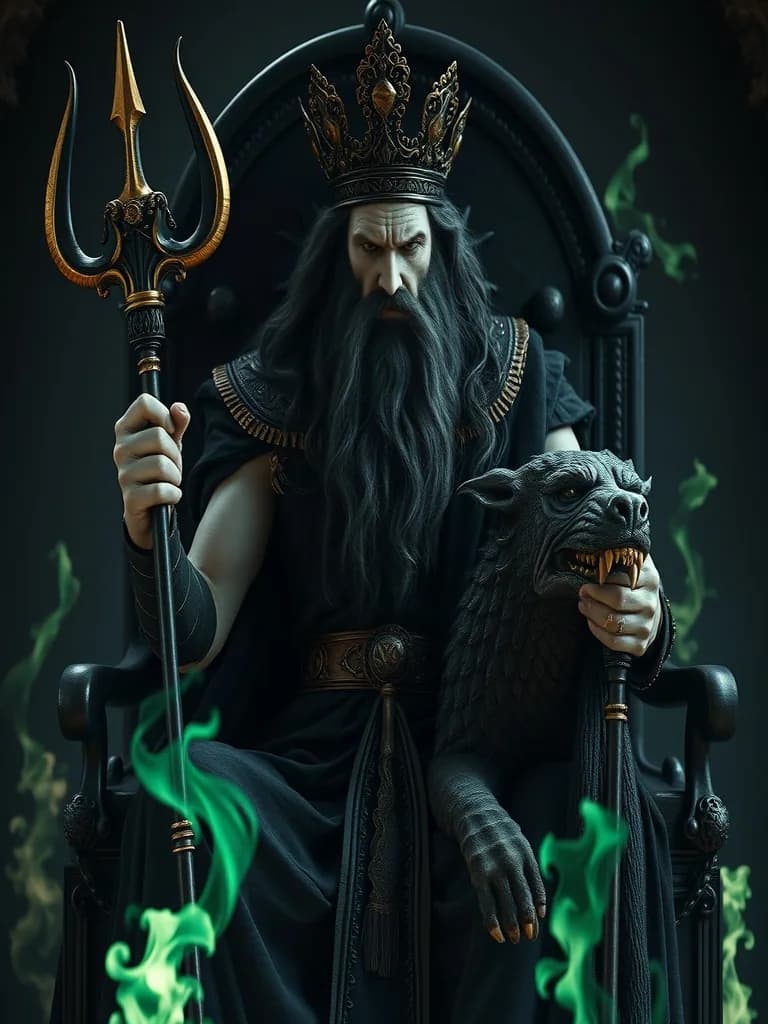
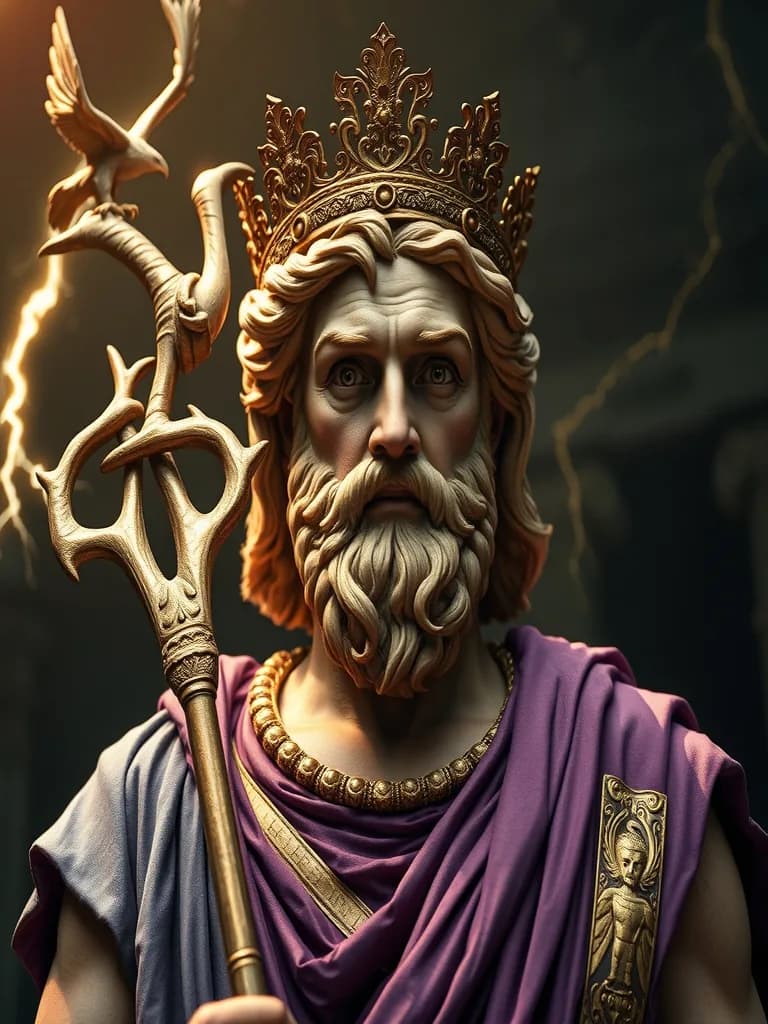
God of the underworld and of the riches hidden beneath the earth, Pluto reigns over the realm of the dead in the Roman pantheon. Also called Dis Pater, the 'rich father', he is bound both to death and to the abundance of metals and subterranean treasures. A stern but just sovereign, he rules the souls of the deceased alongside his queen Proserpina. As The Lord of the Underworld and Riches, this deity occupies a position of supreme prestige in the romanos pantheon. Their domains over Underworld, Death & Subterranean Wealth reflect ancestral cosmic order maintained across millennia. In classical iconography, they are depicted with an aura of unshakeable majesty and sacred attributes that inspired reverence in emperors and peasants alike. Their influence extended beyond earthly boundaries, governing fates and harmony between the visible and invisible worlds. For ancient devotees, contemplating their essence was to understand the very fundamental forces of nature and human existence.

Sacred Symbols

The scepter of the underworld, the cornucopia, the helm of invisibility and the cypress

Divine Lineage

Son of Saturn; brother of Jupiter and Neptune; husband of Proserpina.

The Legendary Myth

In the division of the world among the sons of Saturn, Pluto received the shadowy realm of the dead, far from the light of sky and sea.

Legends & Deeds

A celebrated secondary legend preserved in the oral traditions of the romanos recounts the journey when Pluto intervened directly in the lives of mortals.

Cult & Worship

Historically, the cult of Pluto occupied a central place in the religious and architectural calendar of antiquity.

Relics of Power

The horn of plenty overflowing with the treasures and metals hidden in the bosom of the earth.

Did You Know?

When discovered in 1930, the most distant dwarf planet was named Pluto, in honor of the god of dark and remote realms.

The rest of this scroll is sealed

The myth, the legends, the cult, the relic and the curiosity are part of the full Codex. Without a subscription you open 3 scrolls a day.

See Codex PRO

Divine Equivalents

From the same pantheon

View pantheon